Houthi Red Sea Gains and Saudi Pipeline Shutdown Threaten Oil Supply
Houthi militants have seized key Red Sea islands as Saudi Arabia shuts down its major East-West oil pipeline, threatening 5% of global daily oil supplies.
By Muhamed Porić
September 15, 2026 at 7:51 PM
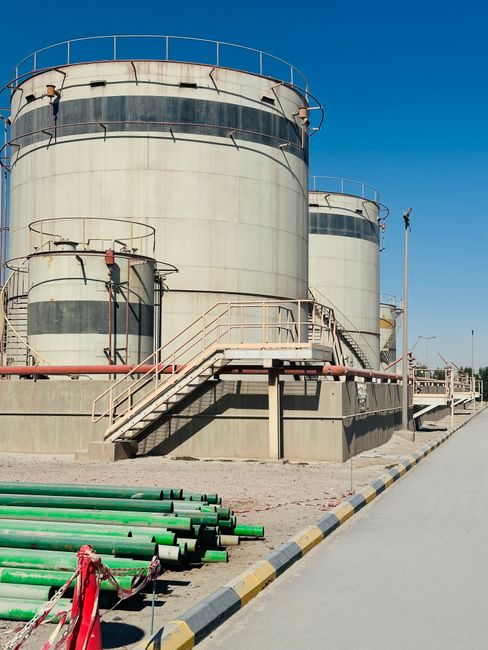
Houthi militants have seized control of strategic islands and ports along the Red Sea, coinciding with a total shutdown of Saudi Arabia's East-West pipeline. This disruption threatens to tighten global oil supplies, as the pipeline stoppage alone removes 4 million to 5 million barrels per day, or roughly 4% to 5% of total global output, from the market.
"The big question for traders right now is the duration of the east-west outage. Any prolonged disruption and the associated supply loss could easily push prices to the next level higher," said Tim Waterer, chief market analyst at KCM Trade.
Strategic Control of the Bab al-Mandab
The Houthi advance has secured the islands of Greater and Lesser Hanish, Perim Island, and the port of Mokha. These positions grant the group influence over the Bab al-Mandab strait, a maritime chokepoint through which a portion of the world's seaborne oil and liquefied natural gas must pass.
"The important change is that the Houthis are now attacking both pillars of Saudi security simultaneously: southern Saudi territory and the Kingdom’s Red Sea strategic depth," said Andreas Krieg, a senior lecturer at King's College London.
Pipeline Vulnerability and Market Outlook
The Saudi East-West pipeline, also known as the Petroline, was shuttered following a series of drone strikes originating from Iraq. The facility is infrastructure designed to bypass the Strait of Hormuz, providing a direct route for Saudi crude to reach Red Sea export terminals. The current outage forces the Kingdom to rely on alternate routes, increasing logistical complexity and costs for global energy buyers.
Market participants are now recalibrating their expectations for oil pricing as these geopolitical risks materialize. Industry leaders view the trend as bullish for energy prices.
"It’s harder to envision a scenario where prices soften and quickly. I think the risks remain to the upside over the next few months," said Chevron CEO Mike Wirth.
What Is at Stake
The simultaneous loss of the Petroline throughput and the increased Houthi presence in the Red Sea creates a supply-side shock. For global energy markets, the duration of the pipeline repair and the ability of maritime security forces to maintain freedom of navigation in the Bab al-Mandab remain the primary variables influencing potential price escalation.
Muhamed Porić
Founder and Editor of Embers.
Newsletter
Get Embers in your inbox
The stories that actually moved something, delivered when there's something worth sending, not daily filler.