Inditex Shares Fall as Higher Transport Costs Squeeze Q2 Margins
Inditex shares fell after Q2 operating profits missed expectations due to rising transport costs, despite a 9.1% increase in quarterly net sales.
By Muhamed Porić
September 15, 2026 at 7:52 PM
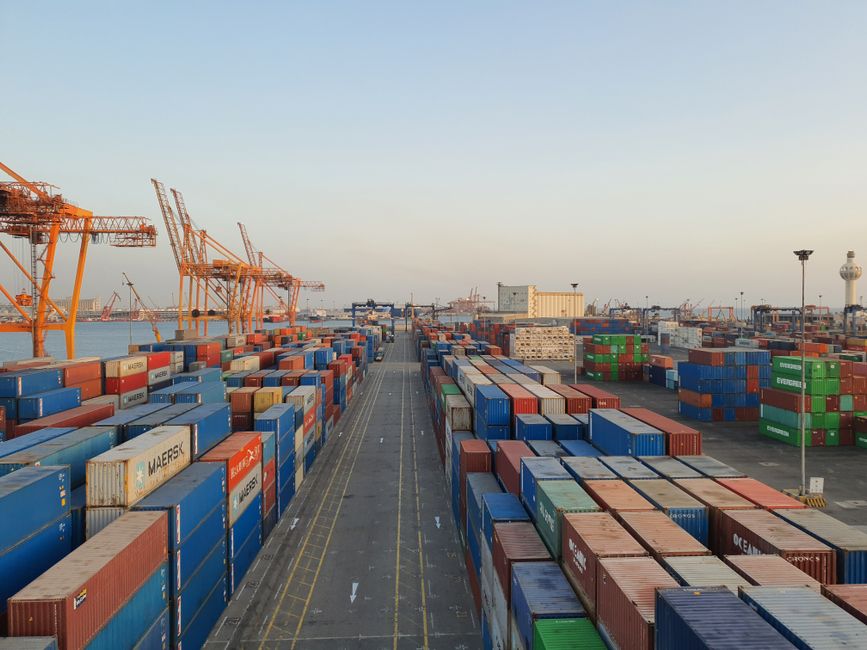
Inditex, the owner of Zara, saw its shares decline despite reporting a 9.1% increase in quarterly net sales. Rising supply-chain expenses caused second-quarter operating profit to underperform analyst expectations.
While the company's top-line performance exceeded consensus estimates, the bottom line faced pressure from a timing mismatch in logistics costs. Inditex reported an operating profit of €2.09 billion for the May-to-July quarter, falling short of the anticipated range of €1.97 billion to €2.03 billion.
"The timing lag between transport costs and their accounting impact means the pressure will likely continue into the second half, though it remains within the company's full-year gross margin guidance of plus or minus 50 basis points," said CEO Óscar García Maceiras in a statement.
Operational Headwinds and Capex Adjustments
The margin compression reflects a challenge in managing global distribution networks where freight and logistics costs often hit the balance sheet with a delay. This operational friction is being compounded by an investment strategy for the company's infrastructure.
In addition to its standard capital expenditure (capex) guidance of €2.3 billion, Inditex disclosed an extra €200 million in extraordinary capital spending. These funds are earmarked for corporate facility upgrades, representing an increase in non-recurring costs intended to support logistical efficiency.
Sales Growth vs. Profitability
For the May-to-July period, net sales reached €11.01 billion, a 9.1% increase compared to the same period last year. This growth highlights the demand for Inditex's fashion offerings, even as the company grapples with the inflationary pressures affecting its cost of goods sold.
For investors, the disconnect between sales growth and profit misses underscores the sensitivity of retail margins to external logistics volatility. The company maintains that its full-year gross margin remains within its projected range of plus or minus 50 basis points, but the immediate impact of these transport costs has led to a cautious market reaction as stakeholders look toward the second half of the fiscal year.
Muhamed Porić
Founder and Editor of Embers.
Newsletter
Get Embers in your inbox
The stories that actually moved something, delivered when there's something worth sending, not daily filler.