White House Weighs DPA to Expand US Oil Refining Capacity
The White House is evaluating the Defense Production Act to expand U.S. oil refining capacity as diesel prices top $6 a gallon.
By Muhamed Porić
September 15, 2026 at 10:11 AM
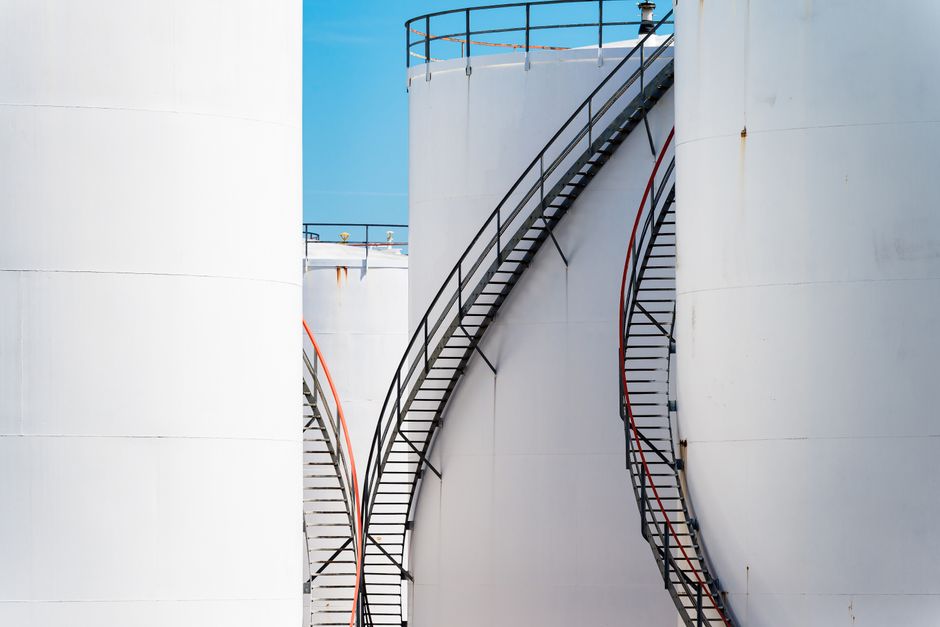
The White House is exploring whether to invoke the Defense Production Act to expand domestic oil refining capacity as fuel prices and supply pressures mount. Utilizing the emergency statute for refining expansion would mark an unprecedented application of a Cold War-era tool that has never before been directed toward building processing facilities.
"America’s refining capacity is essential to ensuring the United States has continuous access to secure, affordable, and reliable energy. Expanding that capacity is a top priority for the President and his energy team, who are evaluating concrete options to increase our refining capacity through regulatory reform, faster permitting, and additional investment," said Taylor Rogers, a White House spokeswoman, in a statement regarding the policy review.
Record Fuel Prices and High Refinery Utilization
The policy deliberations arrive as motor fuels surge to high levels across the United States. According to data from AAA, the national average for diesel reached $6.06 a gallon, marking the first time the benchmark has topped the $6 threshold. That figure represents an increase from $5.85 the prior week and stands above the $3.71 average recorded a year ago, while regular gasoline averaged $4.29 a gallon.
Existing processing infrastructure is already running near absolute limits to meet demand. Energy Information Administration data shows U.S. refiners operated at 97.8% of capacity in the week ending September 4, leaving virtually no spare operational margin to absorb supply disruptions.
Industry Feedback on Federal Expansion Proposals
During consultations with the administration, refining executives pushed back against the prospect of financing entirely greenfield facilities. According to reporting from Reuters, industry leaders advised officials that federal capital would generate a faster output response if directed toward efficiency upgrades and expansions at existing plants rather than constructing new refineries from scratch.
Building a new refinery typically requires years of environmental reviews, capital outlays running into the billions of dollars, and complex legal permitting. By contrast, debottlenecking existing processing units can add capacity within shorter operational timeframes.
The Port of Brownsville Project as a Test Case
Amid these federal discussions, individual projects have emerged to test the administration's broader push for domestic processing growth. America First Refining is advancing plans to construct a 168,000-barrel-per-day facility at the Port of Brownsville in Texas, serving as a prominent test case for whether private developers can navigate regulatory hurdles to bring new capacity online.
Muhamed Porić
Founder and Editor of Embers.
Newsletter
Get Embers in your inbox
The stories that actually moved something, delivered when there's something worth sending, not daily filler.