FTSE 100 Climbs 0.8% as Oil Drops Below $100 on Iran Hopes
The FTSE 100 rose 0.8% as Brent crude slid 3.9% to $99.79 a barrel on growing hopes for diplomatic de-escalation in the U.S.-Iran conflict.
By Muhamed Porić
September 25, 2026 at 12:51 PM
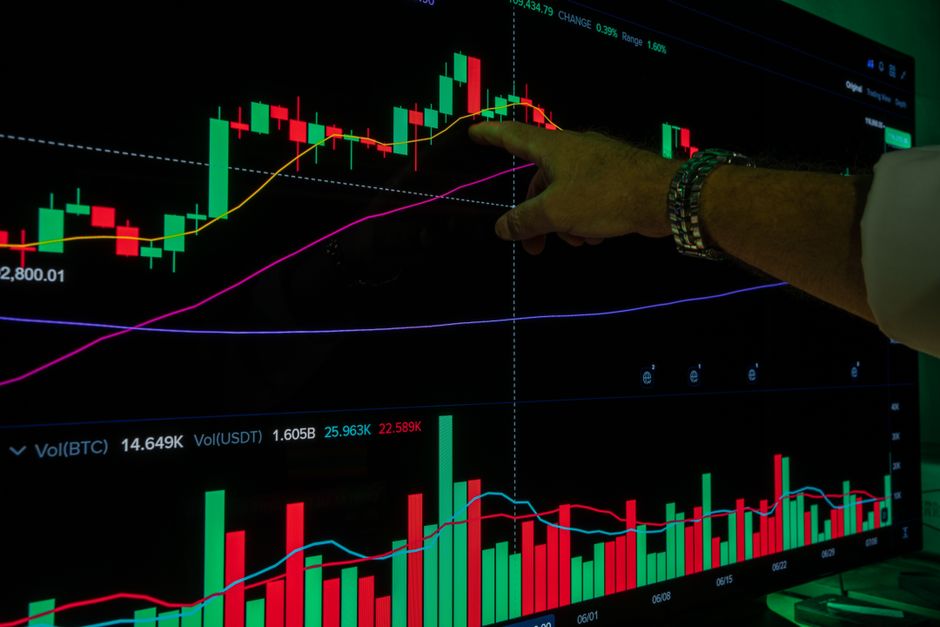
British stocks climbed on Monday as oil prices slid on growing hopes for diplomatic de-escalation in the conflict involving the United States and Iran, easing inflation pressures on European equity markets amid ongoing Middle East tensions.
The benchmark FTSE 100 closed 0.8% higher on Monday, while continental European indexes mirrored the upward momentum. Germany's DAX gained 1.1% and France's CAC rose 0.9% as broader energy costs receded across the continent.
"Fully prepared, vigilant, and ready" to face any renewed attack by the United States or Israel, said Major-General Amir Hatami, Iran's army commander, in a statement addressing ongoing regional security developments.
Oil Benchmarks Fall Below Key Thresholds
The broader equity gains were directly supported by a sharp retreat in global petroleum benchmarks, which had previously surged amid supply disruption fears. Brent crude for November delivery fell 3.9% to $99.79 a barrel, slipping back beneath the psychologically significant $100 threshold, according to an Investing.com report.
Concurrently, West Texas Intermediate (WTI) crude for November dropped 4.3% to $91.97 a barrel. The retreat in fossil fuel costs provides immediate relief to energy-intensive industrial sectors and airlines listed on London's exchange, which face compressed profit margins during prolonged periods of high fuel prices.
Why Energy Prices Drive European Equities
For import-dependent European economies, swings in crude oil directly influence macroeconomic indicators including consumer price inflation and central bank monetary policy trajectories. Higher energy input costs historically filter through supply chains to depress consumer discretionary spending and elevate production overhead for manufacturing firms.
The simultaneous drop in Brent and WTI crude reflects market participants recalibrating geopolitical risk premiums embedded in energy futures contracts. While diplomatic channels remain active, military leadership on both sides continues to signal readiness, leaving commodity traders sensitive to sudden policy shifts or regional escalations.
Muhamed Porić
Founder and Editor of Embers.
Newsletter
Get Embers in your inbox
The stories that actually moved something, delivered when there's something worth sending, not daily filler.