Yuan Hits Multi-Year Peak as PBOC Eases Curbs Before Summit
China's yuan reaches 6.6950 per dollar, its strongest level since early 2023, as the PBOC adjusts midpoint rates ahead of upcoming diplomatic talks.
By Muhamed Porić
September 25, 2026 at 7:12 AM
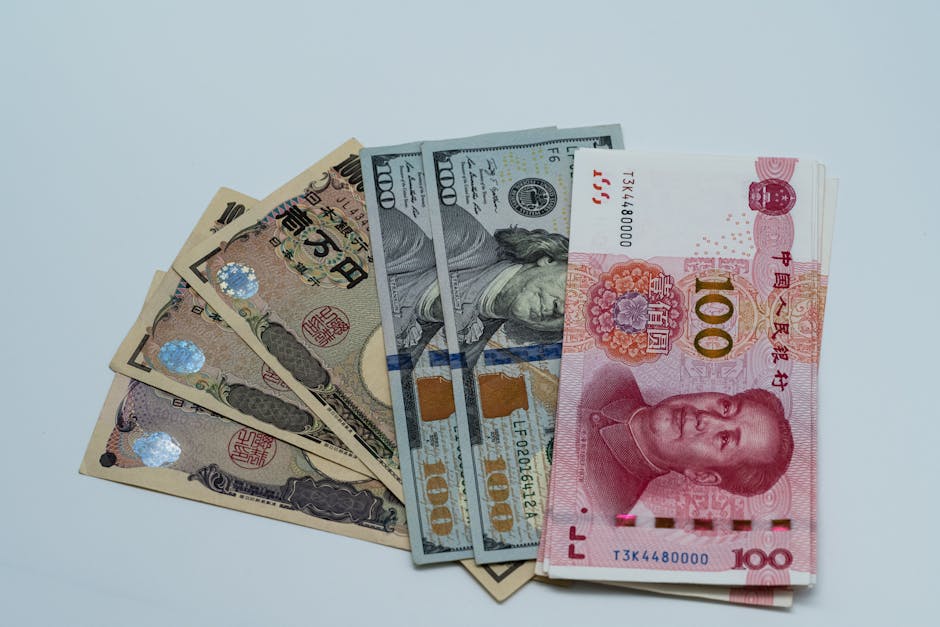
China's yuan strengthened to a high of 6.6950 per dollar, its strongest level since January 16, 2023, as the People's Bank of China softened its currency appreciation curbs ahead of high-level diplomatic talks.
Prior to the market open, the PBOC set the daily midpoint rate at 6.7487 per dollar. While this marked the strongest midpoint setting since February 3, 2023, it still landed 536 pips weaker than market estimates compiled by Reuters, demonstrating that monetary authorities continue to maintain a tight grip on the currency's daily trading band even as they allow room for gains.
"The fact that the summit is occurring should help maintain a stable trading relationship... policymakers in China should continue to feel comfortable allowing sustained but gradual currency appreciation," said analysts in a Reuters report.
Mechanics of PBOC Currency Management
The PBOC manages the onshore yuan through a daily fixing that restricts spot trading to a 2% band on either side of the midpoint. By setting the reference rate stronger, authorities signal tolerance for currency appreciation without relinquishing control over capital flows.
This policy adjustment arrives directly ahead of a scheduled summit between U.S. and Chinese leadership. Currency valuation has historically served as a central negotiating point in trade discussions between Washington and Beijing, making managed appreciation a diplomatic signal.
Yield Differentials and Economic Fundamentals
Despite the milestone exchange rate, market strategists emphasize that macroeconomic headwinds remain present beneath the surface of the PBOC's managed stabilization efforts.
"Given the wide US-China yield differential and still-soft domestic fundamentals, part of the recent appreciation may reflect policy-managed stability around the summit rather than a fundamental re-rating of the RMB," according to market commentary cited by Reuters.
Persistent divergence between U.S. Federal Reserve interest rates and domestic Chinese monetary policy continues to exert downward pressure on the currency outside of managed intervention periods. Domestic demand indicators also point to ongoing economic balancing acts within mainland markets.
Muhamed Porić
Founder and Editor of Embers.
Newsletter
Get Embers in your inbox
The stories that actually moved something, delivered when there's something worth sending, not daily filler.