S&P Upgrades Kioxia to BBB on AI NAND Demand
S&P Global Ratings upgraded Kioxia Holdings to BBB with a positive outlook, driven by AI-fueled NAND demand and strengthened balance sheet metrics.
By Muhamed Porić
October 19, 2026 at 11:40 AM
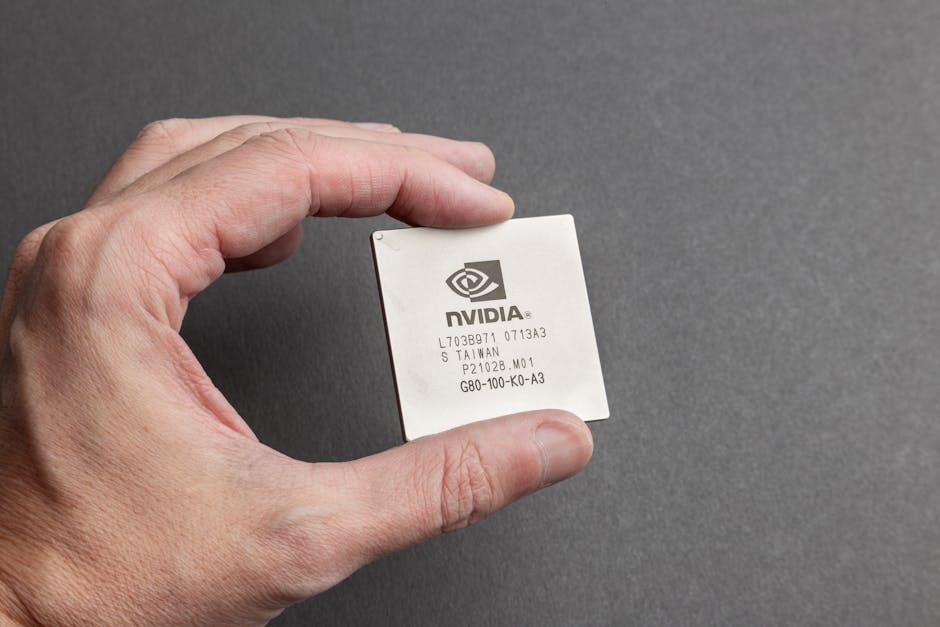
S&P Global Ratings upgraded Kioxia Holdings Corp to 'BBB' from 'BBB-', assigning a positive outlook as artificial intelligence demand accelerates enterprise solid-state drive sales. The upgrade reflects stronger operating cash flows and improved balance sheet metrics across the Japanese memory chip manufacturer.
"The upgrade reflects Kioxia's stronger earnings profile and robust cash generation, supported by high demand for enterprise NAND flash memory," S&P Global Ratings said in a statement regarding the rating action.
Earnings Projections and Financial Strength
Underpinning the rating action are upgraded financial forecasts from S&P Global Ratings, which project Kioxia's EBITDA will reach ¥7.0 trillion to ¥8.0 trillion in fiscal 2026. Earnings are expected to expand further to approximately ¥9.0 trillion in fiscal 2027 as artificial intelligence data centers scale up their storage infrastructure requirements.
Financial data indicates that Kioxia transitioned into a net cash position by mid-2026, with cash and deposits exceeding interest-bearing debt, according to BigGo finance reports. This liquidity cushion provides the firm with increased flexibility to fund capital expenditures for advanced node transitions without relying heavily on external debt financing.
Mitigating Cyclical Volatility
To counter the historically volatile pricing environment of the semiconductor memory sector, Kioxia is shifting its commercial strategy. The company is advancing toward a target of securing multiyear long-term agreements for approximately 50% of its shipment volumes by 2028.
What the Rating Action Means for Memory Markets
The move to a solid investment-grade rating lowers Kioxia's cost of capital and signals a broader stabilization among legacy flash memory suppliers. As hyperscale data center operators demand higher capacity enterprise SSDs to handle large language model training and inference workloads, suppliers with robust balance sheets are better positioned to fund multi-generational fabrication plant expansions.
Muhamed Porić
Founder and Editor of Embers.
Newsletter
Get Embers in your inbox
The stories that actually moved something, delivered when there's something worth sending, not daily filler.