Mercedes-Benz Q3 Sales Drop 8% Due to China Market Slump
Mercedes-Benz global sales fell 8% in Q3 2026 to 407,200 units. A 31% slump in China offset growth in the U.S. and European markets.
By Muhamed Porić
October 12, 2026 at 3:01 PM
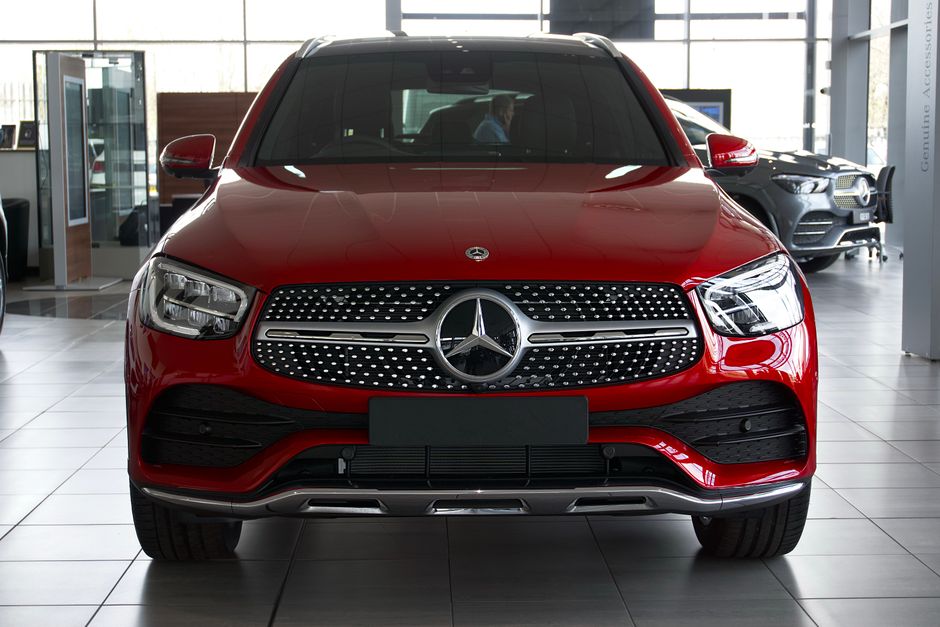
Mercedes-Benz reported an 8% decline in global car sales for the third quarter of 2026, delivering 407,200 units. A sharp contraction in the Chinese market overshadowed gains in North America and Europe.
The downturn reflects the difficulties luxury automakers face while navigating shifting consumer preferences and economic headwinds in their primary markets. While the company saw growth in Western regions, the scale of the decline in China, a market historically central to the brand's profitability, created a drag on overall performance.
Regional Divergence and Segment Performance
The company’s regional results show a divide. Sales in the U.S. and Europe rose by 6% and 5% respectively. These gains were insufficient to offset a 31% collapse in Chinese sales, which fell to 86,800 units for the quarter.
Performance varied across vehicle segments. The 'Top-End' vehicle division, which encompasses the brand's most expensive offerings, recorded a 21% decline to 53,900 units. According to an Investing.com report, this drop is tied to the challenging economic environment in China and the logistical impact of ongoing model changeovers.
The Shift Toward Electric Vehicles
Despite the decline in total volume and high-end sales, the group saw an increase in its electric vehicle (EV) portfolio. Combined sales of battery-electric cars and vans rose by 52% compared to the same period last year, reaching 78,100 units.
This growth in the EV segment highlights the company’s strategic pivot toward electrification as traditional luxury segments face cyclical pressure. The ability to scale electric deliveries while managing the transition of internal combustion engine lineups remains a variable for the firm's fiscal trajectory.
What Is at Stake for Luxury Automakers
The concentration of the sales decline in China underscores the vulnerability of European luxury brands to localized market volatility. For Mercedes-Benz, the challenge lies in balancing the margins associated with its 'Top-End' vehicles against the necessity of maintaining market share in an increasingly competitive and price-sensitive Chinese automotive sector. As the company continues its model transitions, the performance of these new vehicles in the coming quarters will serve as an indicator of its ability to recover lost momentum in its largest market.
Muhamed Porić
Founder and Editor of Embers.
Newsletter
Get Embers in your inbox
The stories that actually moved something, delivered when there's something worth sending, not daily filler.