Ladenburg Cuts PG&E Target to $15.50 on Undergrounding Costs
Ladenburg Thalmann lowered PG&E's price target to $15.50 from $22.00, maintaining a Buy rating while highlighting rising undergrounding costs.
By Muhamed Porić
October 11, 2026 at 12:06 PM
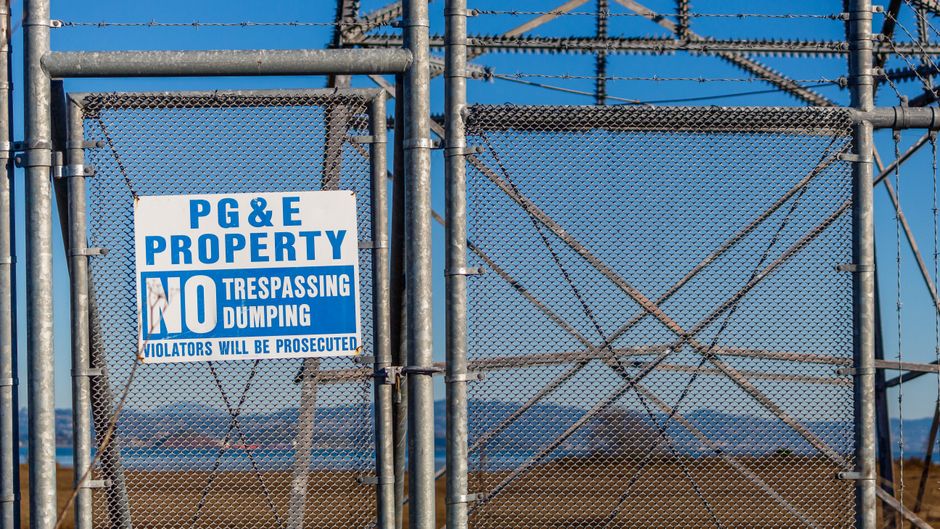
Ladenburg Thalmann lowered its price target on PG&E Corporation (NYSE:PCG) to $15.50 from $22.00, citing escalating expenses associated with the utility's multi-year power line undergrounding initiative and persistent regulatory headwinds. Despite reducing the target by 29.5%, the firm maintained a Buy rating on the stock, according to an Investing.com report.
Escalating Scale of the 10-Year Undergrounding Initiative
At the center of Ladenburg's revised valuation is PG&E's infrastructure overhaul, which seeks regulatory authorization to bury 5,000 miles of power lines. The proposal spans a 10-year deployment period running through 2037.
This current 5,000-mile target represents roughly 60% of the mileage originally envisioned in the utility's broader 2021 plan. That initial scope has been iteratively adjusted to account for past approvals granted by state regulators alongside the utility's current 2027 project requests.
Regulatory Hurdles and Affordability Concerns
Implementing the undergrounding roadmap requires navigating a multi-agency approval process in California. Both the California Office of Infrastructure Safety and the California Public Utilities Commission must sign off on the engineering and financial parameters before construction proceeds.
These regulatory reviews face heightened scrutiny amid intensified opposition from intervener parties. Interveners and consumer advocates have raised growing concerns regarding customer affordability, as capital-intensive grid hardening projects directly influence utility ratepayer billing structures.
Debt Burden and Balance Sheet Context
These regulatory and capital expenditure pressures intersect with a heavily leveraged balance sheet. PG&E operates with a debt burden totaling $64.7 billion, according to InvestingPro data.
The utility's capital allocation strategy requires balancing ongoing investments in wildfire mitigation and grid modernization against the cost of servicing existing obligations, making regulatory rate relief and approved capital returns critical variables for equity analysts tracking the stock.
Muhamed Porić
Founder and Editor of Embers.
Newsletter
Get Embers in your inbox
The stories that actually moved something, delivered when there's something worth sending, not daily filler.