China Tax Crackdown And Faltering US Spending Hit Luxury Stocks
Luxury brands face pressure as China offshore trust tax rules coincide with a third straight month of declining US credit card spending.
By Muhamed Porić
October 15, 2026 at 12:45 PM
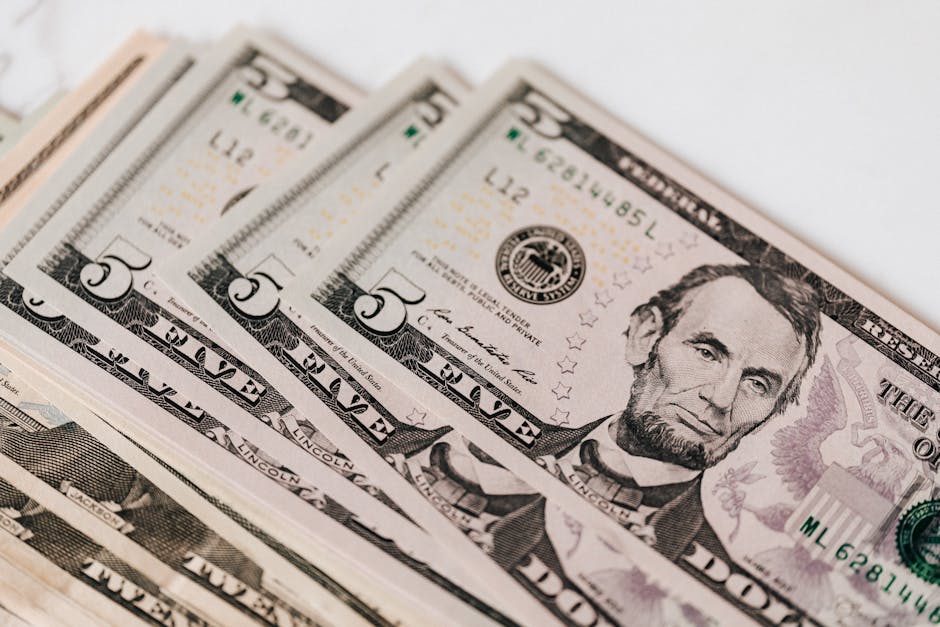
Luxury goods makers are facing dual headwinds as Beijing enforces a strict offshore trust tax deadline and U.S. credit card spending drops for a third straight month, according to an Investing.com report. The $350 billion global luxury sector is absorbing immediate liquidity squeezes from wealthy Chinese consumers alongside a contraction in American retail demand.
"Until the deadline to pay the tax, some people may face liquidity issues," said Alexis Bonhomme, head of Shanghai-based luxury consultancy Trinity Asia, in a statement regarding the market impact. "This doesn’t mean they won’t start buying again, but right now, the mood just isn’t there."
Offshore Trust Tax Rules and October 22 Deadline
Under regulatory measures introduced by Beijing, wealthy Chinese citizens who previously utilized offshore trusts to shelter assets face an October 22 deadline to declare and pay years of back taxes. The enforcement mechanism introduces a 20% levy targeting ultra-high-net-worth individuals, directly impacting the discretionary capital typically deployed in high-end retail markets.
Simultaneously across the Pacific, American consumer behavior is shifting. According to Citi card data cited in market coverage, U.S. credit card spending on luxury goods fell for a third consecutive month in September as broader economic confidence softened.
Market Performance Across Major Luxury Houses
Publicly traded European fashion and accessories conglomerates reflect the mounting pressures on valuations across the sector. Shares in Moët Hennessy Louis Vuitton (LVMH) and Birkin bag maker Hermès have both declined by approximately 40% over the year, trading near multi-year lows. Meanwhile, Gucci parent company Kering has experienced a 29% drop in its share price over the same period.
These market moves underscore how dependent major luxury houses remain on top-tier spenders in both North America and mainland China. Analysts note that simultaneous contractions in the two largest consumer markets leave few geographic buffers for high-margin brands.
Broader Confidence and Consumer Sentiment
While some high-net-worth buyers retain substantial capital reserves, market observers emphasize that the policy enforcement carries psychological effects that ripple through the wider affluent demographic.
"I don’t think wealthy people who are subject to taxes on offshore trusts would stop buying luxury, they are not short of that few tens of thousands of yuan," said Deng Qi, a 51-year-old exporter of ceramic building components in Beijing. "The real issue is the broader impact, measures like that undermine confidence for everyone. Sooner or later they will set their eyes on the relatively rich."
Muhamed Porić
Founder and Editor of Embers.
Newsletter
Get Embers in your inbox
The stories that actually moved something, delivered when there's something worth sending, not daily filler.