Hurricane Isaias Shuts 71% of Gulf Oil As Refineries Run At 95%
Hurricane Isaias shut in 71% of Gulf oil production as refiners operate at 95% capacity and U.S. diesel inventories hit historic lows.
By Muhamed Porić
October 15, 2026 at 7:22 AM
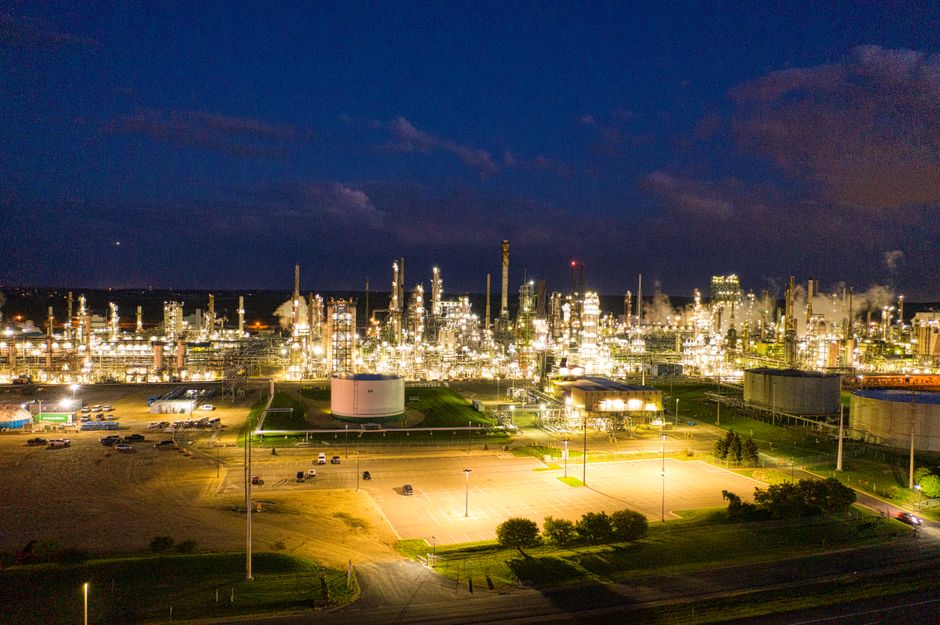
Hurricane Isaias shut in 71% of U.S. Gulf crude production, hitting energy markets as Gulf refiners operate near peak capacity and U.S. diesel inventories sit at historic lows.
By Friday, operators in the Gulf of Mexico had shut in 1,458,814 barrels per day of crude oil, representing 71.51% of regional output, and 1.26 billion cubic feet per day of natural gas, or 58.84% of regional production, according to the Marine Minerals Administration via OilPrice.
"Of course, losing any refinery capacity when diesel supplies are at their lowest level for this time of year since the EIA began reporting in 1982 is not a good thing," said Andy Lipow, president of Lipow Oil Associates, in a CNBC report.
Platform Evacuations and Asset Shutdowns
Offshore operators evacuated personnel from 129 production platforms, accounting for nearly 35% of the Gulf's 371 manned platforms, alongside eight drilling rigs. The evacuations marked an escalation from Tuesday, when no platforms were evacuated and just 9.24% of regional production was offline.
Major producers adjusted operations ahead of landfall. According to NBC News, Chevron shut down four of its Gulf assets while maintaining normal production at five other facilities, while Shell halted output at five sites.
Why the Fuel Market Compounds Risk
The supply shock arrives as domestic refiners run at 95% capacity, leaving little operational buffer to absorb sudden disruptions. The tight processing margins coincide with U.S. diesel stockpiles hitting their lowest seasonal level in data dating back to 1982 by the Energy Information Administration.
Refineries in the storm's path include Chevron's Pascagoula, Mississippi facility, which remained operational as of Thursday, and Vertex Energy's refinery in Saraland, Alabama. Together, the two plants hold a combined capacity of 466,000 barrels per day, representing 2.4% of total U.S. refining capacity.
"The biggest risk to these two refineries are a loss of electricity or flooding damage," Andy Lipow, president of Lipow Oil Associates, wrote in a note cited by CNBC, adding that restarting the facilities would take one to two weeks even if they escape physical damage.
Muhamed Porić
Founder and Editor of Embers.
Newsletter
Get Embers in your inbox
The stories that actually moved something, delivered when there's something worth sending, not daily filler.