USDA Mandates Upfront Self-Funding for REAP Energy Projects
New USDA rules for the REAP program require farmers to self-fund energy projects for one year, moving from projection-based grants to performance-based payouts.
By Muhamed Porić
October 15, 2026 at 5:20 PM
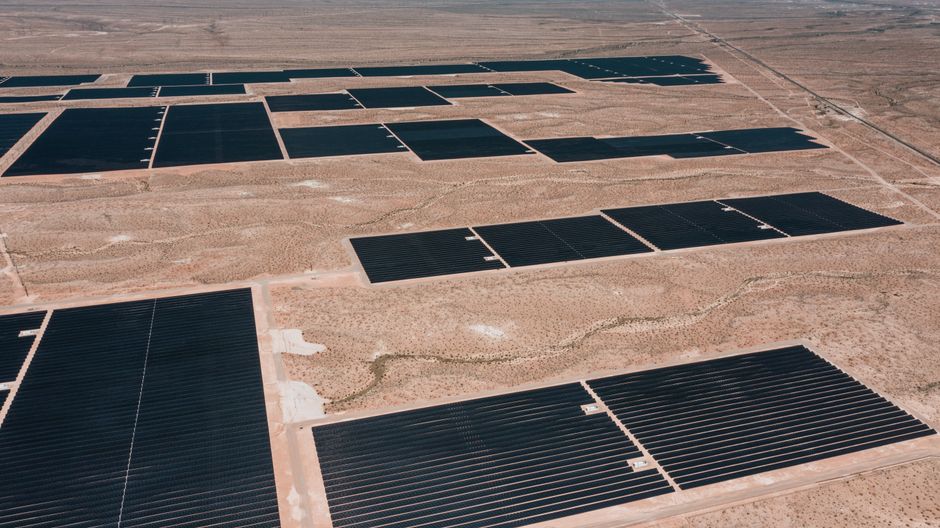
New USDA regulations for the Rural Energy for America Program (REAP) change the funding model from project projections to performance-based outcomes. Farmers must now self-fund and operate energy projects for one year before they are eligible for federal grants. This rule takes effect October 16 and replaces the previous system that allowed applicants to secure funding based on projected energy savings and infrastructure plans.
"For a lot of farmers, that just simply won’t be possible, especially with these times already being so financially uncertain," said Richa Patel, policy specialist at the National Sustainable Agriculture Coalition.
Impact on Small and Young Farmers
The REAP program has served as a vehicle for rural decarbonization. Between 2014 and 2025, the program provided more than $4.8 billion in grants and loan guarantees for renewable energy and energy efficiency initiatives, according to a Reuters report.
Critics of the new policy argue that the requirement to shoulder the entire financial burden of installation and operation for a 12-month period before reimbursement will affect smaller operations that lack access to significant upfront capital.
"Now it's much riskier. And for small farmers, particularly young farmers, they may not be able to do this, pay it all upfront," said Veronica McFadden, owner of an Iowa-based business helping farmers apply for REAP grants.
USDA Rationale for Regulatory Shift
Federal officials state the change is necessary to ensure taxpayer funds are allocated toward verified performance rather than speculative estimates. By tying disbursements to realized energy savings, the department aims to improve the fiscal accountability of the energy program.
"The changes are intended to help the program pay for actual production and results of projects, not just projections," a USDA spokesperson said in a statement.
What Is at Stake for Rural Energy
The shift turns REAP from a development-aid program into a rebate-style reimbursement system. For farmers, the risk of project failure or underperformance rests with the operator during the first year of operation. As the October 16 implementation date approaches, the agricultural sector faces a transition where federal support is contingent on the ability to survive a year of self-financed performance monitoring.
Muhamed Porić
Founder and Editor of Embers.
Newsletter
Get Embers in your inbox
The stories that actually moved something, delivered when there's something worth sending, not daily filler.