US Consumer Prices Rose 0.4% in August as Energy Costs Accelerated
U.S. consumer prices rose 0.4% in August, exceeding forecasts as energy costs surged and pushing markets to price in a potential Federal Reserve rate hike.
By Muhamed Porić
September 24, 2026 at 4:35 PM
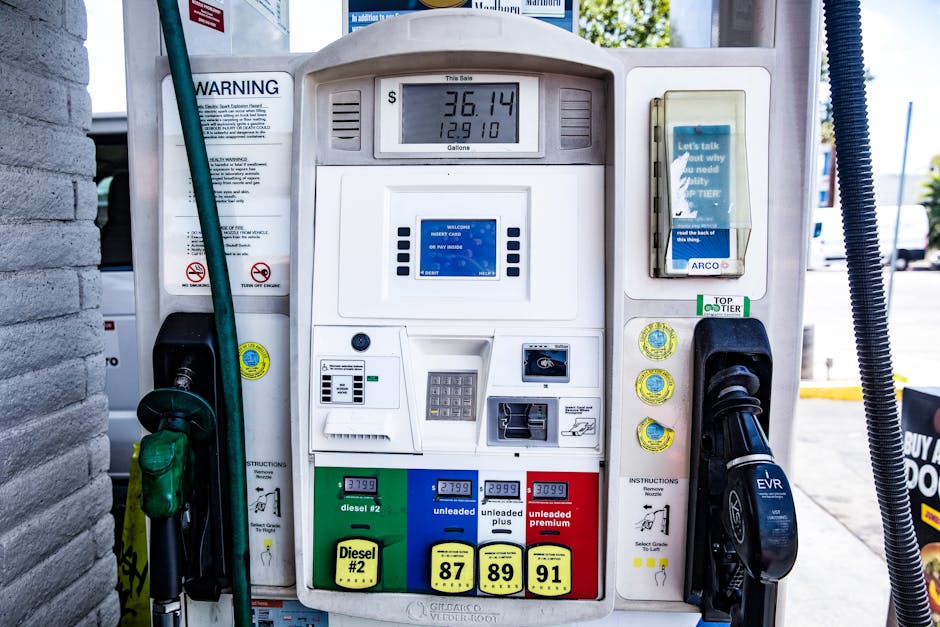
U.S. consumer price growth rose 0.4% month-on-month in August, outpacing Truflation estimates and intensifying pressure on the Federal Reserve ahead of its upcoming interest rate decision.
The acceleration was driven largely by surging energy costs tied to global supply shocks, pushing headline inflation to hold steady at 3.4% year-over-year according to data from the Bureau of Labor Statistics. Analysts note that while the monthly increase exceeded expectations, policymakers must weigh whether energy-driven pressures warrant immediate monetary tightening.
"[T]he markets are pricing in a rate hike, but much of the current rise in inflation is driven by oil prices, so it may be seen as temporary and, as a result," the Fed could opt to leave rates unchanged, said Oliver Rust, Head of Data at Truflation, in a statement reported by Yahoo Finance.
Core Inflation and Energy Drivers
Beyond headline figures, core CPI (which strips out volatile food and energy items) increased 0.3% month-on-month in August, marking the largest increase since April and bringing the year-on-year rate to 2.4% according to Labor Department figures. Historical federal tracking shows the broader Consumer Price Index for all urban consumers registered at 334.131 as of August 1, 2026, according to FRED economic data.
The primary catalyst for the monthly jump was gasoline, which increased 3.9% on a monthly basis and 27.4% annually, according to Fox Business. These petroleum increases accounted for more than one-third of the total headline CPI increase, exacerbated by energy shocks stemming from the Iran war and the closure of the Strait of Hormuz.
Broader Economic Transmission
Economists emphasize that petroleum price spikes quickly cascade into the broader transport and logistics sectors, affecting the cost of goods far beyond the fuel pump.
"Energy inflation does not stay at the gas station. It travels by truck, airplane and cargo ship into nearly every store in America," said Sung Won Sohn, a finance and economics professor at Loyola Marymount University, in an interview with Yahoo Finance.
Market Probabilities and Federal Reserve Outlook
Financial markets have rapidly adjusted expectations in response to the inflation data. CME's FedWatch tool showed that traders priced in roughly an 85% to 87% chance of a 25-basis-point interest rate hike at the central bank's upcoming policy meeting, according to market reports. Basis points are a unit of measure equal to one-hundredth of a percentage point, commonly used to describe changes in interest rates or bond yields.
Muhamed Porić
Founder and Editor of Embers.
Newsletter
Get Embers in your inbox
The stories that actually moved something, delivered when there's something worth sending, not daily filler.