South Africa Manufacturing Output Increases 1.1% in July
South Africa's manufacturing output grew 1.1% in July, ending three months of decline. PMI data suggests manufacturers remain cautious about the outlook.
By Muhamed Porić
September 25, 2026 at 8:50 PM
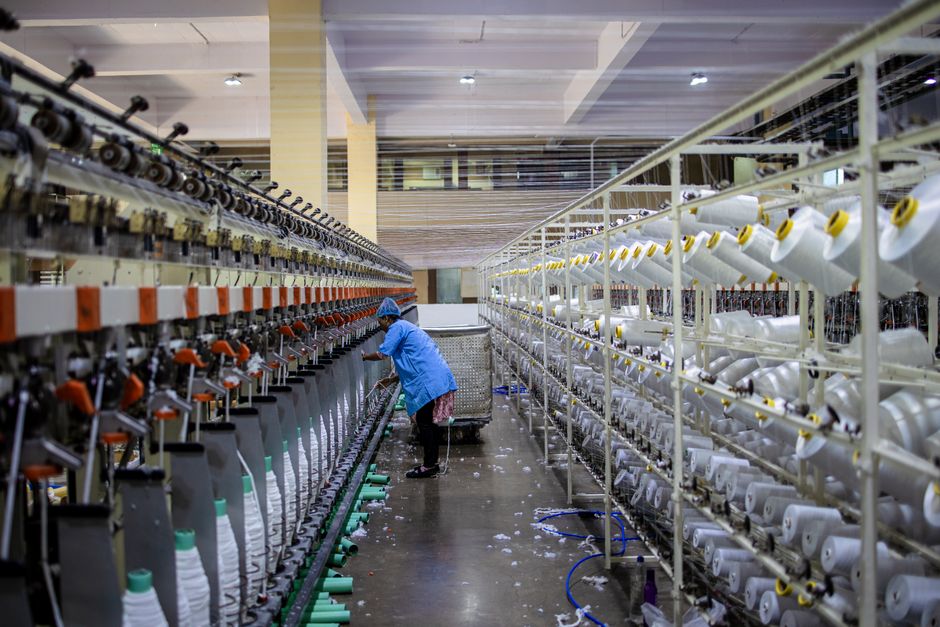
South Africa’s manufacturing production rose 1.1% year-on-year in July. This increase ended a three-month period of contraction as the industrial sector showed signs of a rebound. The growth follows a period of volatility, as production fell 1.8% in June, 4.6% in May, and 3.0% in April, according to data from Business Explainer.
On a seasonally adjusted month-on-month basis, the sector grew 2.2% in July, up from the 0.8% expansion recorded in June, according to a report from Investing.com.
Sector-Specific Performance
The recovery varied across different industrial categories. The following sectors provided the primary lift for the July figures:
- Textiles: 6.2% increase
- Food and beverages: 4.1% increase
- Petroleum, chemicals, rubber and plastic products: 3.2% increase
Conversely, the production of wood products, paper, and furniture continued to weigh on the overall index, recording declines during the same period.
Divergence Between Output and Sentiment
Despite the positive production data, there is a disconnect between official output figures and manufacturer sentiment. The Absa Purchasing Managers' Index (PMI), which tracks forward-looking business expectations, remained in contraction territory at 46.8 in July.
A PMI reading below 50 indicates that manufacturers are pessimistic about future activity. This suggests that while factories produced more goods in July, business leaders remain cautious regarding the sustainability of this growth. This divergence highlights the challenge of interpreting short-term production spikes against a backdrop of economic uncertainty.
What Is at Stake
Manufacturing is a component of the South African economy, and its performance serves as an indicator for overall GDP growth. The sector's ability to maintain this momentum is important for employment stability and export revenue. However, the ongoing contraction in the PMI suggests that manufacturers are not yet scaling up investment or hiring, keeping the industrial outlook fragile as the country navigates inflationary pressures and infrastructure constraints.
Muhamed Porić
Founder and Editor of Embers.
Newsletter
Get Embers in your inbox
The stories that actually moved something, delivered when there's something worth sending, not daily filler.