Santos Finalizes Long-Term LNG Supply Agreements With POSCO and Western LNG
Santos has secured a 10-year supply deal with POSCO Steel and a 20-year purchase agreement from the Ksi Lisims project to grow its global LNG portfolio.
By Muhamed Porić
October 10, 2026 at 1:21 PM
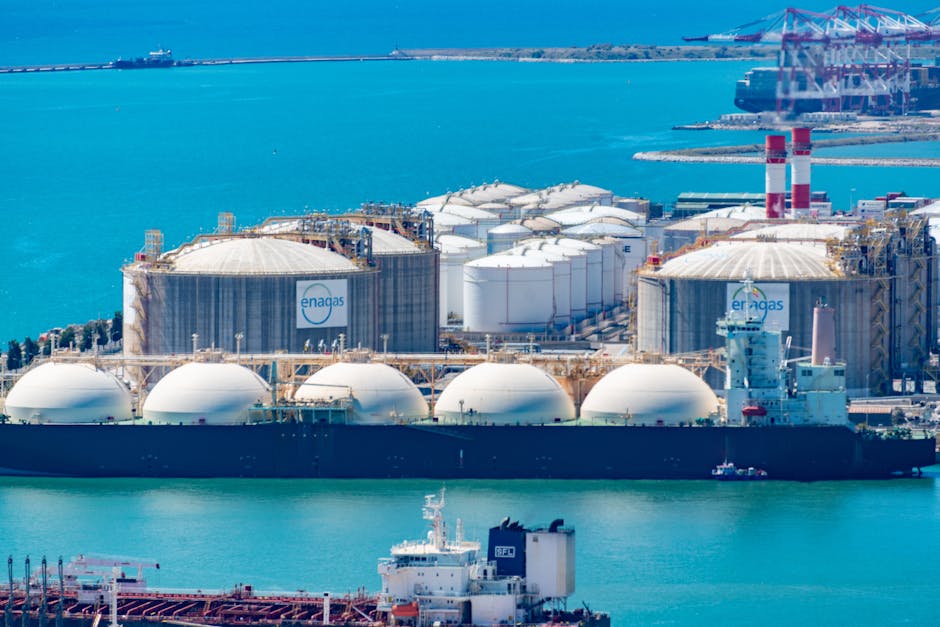
Australian energy producer Santos has finalized two long-term liquefied natural gas (LNG) agreements. These include a 10-year supply deal with POSCO Steel and a 20-year purchase commitment from Canada's Ksi Lisims project.
The contracts represent an expansion for the Adelaide-based company. The firm intends to increase its presence in Asian energy markets and diversify its supply sources beyond its current Australian assets.
"The agreements demonstrate the continued growth and diversification of the company's global LNG portfolio that supports the growing energy needs of customers and partners across Asia," Santos said in a statement regarding the deals.
Contractual Terms and Delivery Structures
The two agreements utilize distinct shipping and risk-allocation frameworks used in international energy trade:
- POSCO Steel Deal: Santos will supply LNG on a 'delivered ex ship' (DES) basis. Under this arrangement, Santos retains responsibility and costs for shipping the cargo to the designated port. The buyer takes ownership only upon the ship's arrival.
- Ksi Lisims Project: Santos has agreed to acquire approximately 1 million metric tons of LNG per annum on a 'free-on-board' (FOB) basis. In this structure, the buyer assumes responsibility for shipping costs and risks once the product is loaded onto the vessel at the export facility in British Columbia.
Deliveries for the POSCO contract are scheduled to commence in 2030 or 2031. Shipments from the Ksi Lisims facility are expected to begin around 2031, contingent on the project's development timeline in Canada.
Strategic Portfolio Diversification
By securing long-term offtake from the Ksi Lisims project, Santos is positioning itself to manage supply volatility by accessing North American production. This move complements its existing operations and aligns with the firm's stated strategy of scaling its global LNG footprint to meet the projected demand for natural gas in industrial-heavy Asian economies.
The shift toward a mix of DES and FOB contracts allows the company to balance its logistics responsibilities. DES contracts often command higher prices due to the added service of delivery, while FOB contracts provide flexibility for the buyer to manage their own shipping logistics and costs in a fluctuating global freight market.
Muhamed Porić
Founder and Editor of Embers.
Newsletter
Get Embers in your inbox
The stories that actually moved something, delivered when there's something worth sending, not daily filler.