India Manufacturing Reaches Seven-Month Peak Amid Rising Demand
India's manufacturing sector reached a seven-month high in September with a PMI of 55.1, driven by rising demand and a rebound in factory employment.
By Muhamed Porić
October 6, 2026 at 6:41 PM
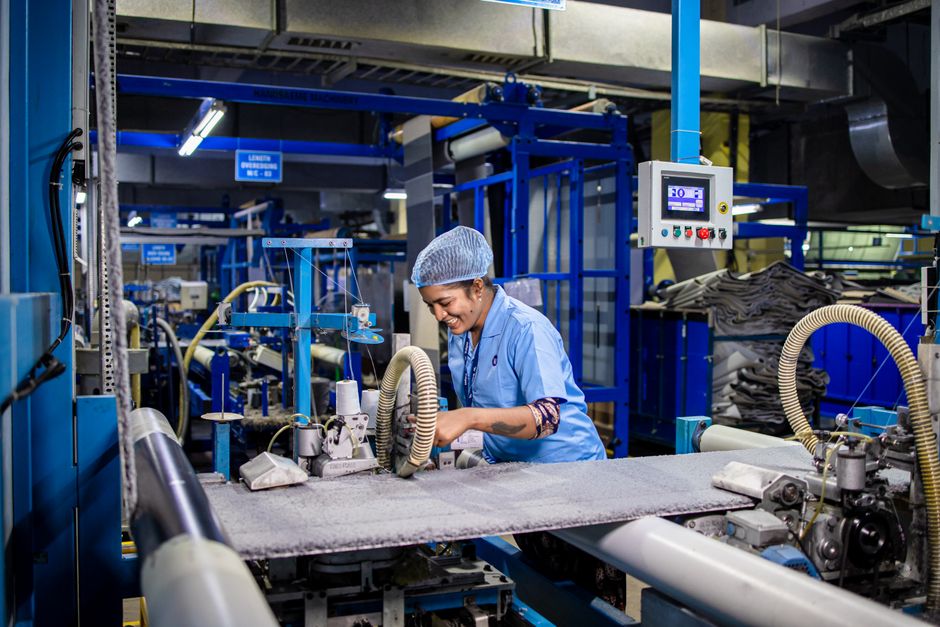
India's manufacturing sector expanded at its fastest pace in seven months during September, driven by a sharp increase in domestic and export orders. The HSBC India Manufacturing Purchasing Managers’ Index (PMI) climbed to 55.1 in September from 52.8 in August, indicating a recovery in industrial activity.
In the PMI survey, a reading above 50.0 indicates expansion in economic activity, while a reading below 50.0 signals contraction. The September figure marks the highest level of growth since February, reflecting resilience in India's industrial output.
"Companies bought more materials and built up stocks to prepare for anticipated sales. Finished-goods inventories recorded their second-largest increase in nearly 12 years, signalling a clear shift from leaner stock levels," said Pranjul Bhandari, chief India economist at HSBC.
Employment and Inventory Trends
The surge in production has translated into a rebound in the labor market. Employment in the manufacturing sector grew at its strongest rate since May, marking a turnaround from August, which had recorded the first decline in factory jobs in two and a half years.
This inventory accumulation suggests that manufacturers are positioning themselves for sustained consumer demand in the coming months. The shift toward larger stockpiles of finished goods represents a strategic move to hedge against supply chain volatility and potential spikes in order volume.
Inflationary Pressures and Monetary Policy
While the manufacturing sector shows signs of strength, the broader economy faces persistent inflationary headwinds. Inflation has remained above the Reserve Bank of India’s (RBI) 4% target for three consecutive months, complicating the central bank's policy outlook.
Market expectations suggest that the RBI may raise interest rates by a total of 50 basis points this year, bringing the benchmark rate to 5.75%. These potential hikes are aimed at cooling price pressures without stifling the current momentum in the manufacturing sector. The balance between maintaining industrial growth and curbing inflation remains the primary challenge for Indian policymakers as they navigate the final quarter of the year.
Muhamed Porić
Founder and Editor of Embers.
Newsletter
Get Embers in your inbox
The stories that actually moved something, delivered when there's something worth sending, not daily filler.