German Economy Likely Slowed in Third Quarter on Weak Industry
Germany's economy ministry reported that growth momentum likely slowed temporarily in the third quarter due to subdued industry and financing costs.
By Muhamed Porić
October 20, 2026 at 11:20 AM
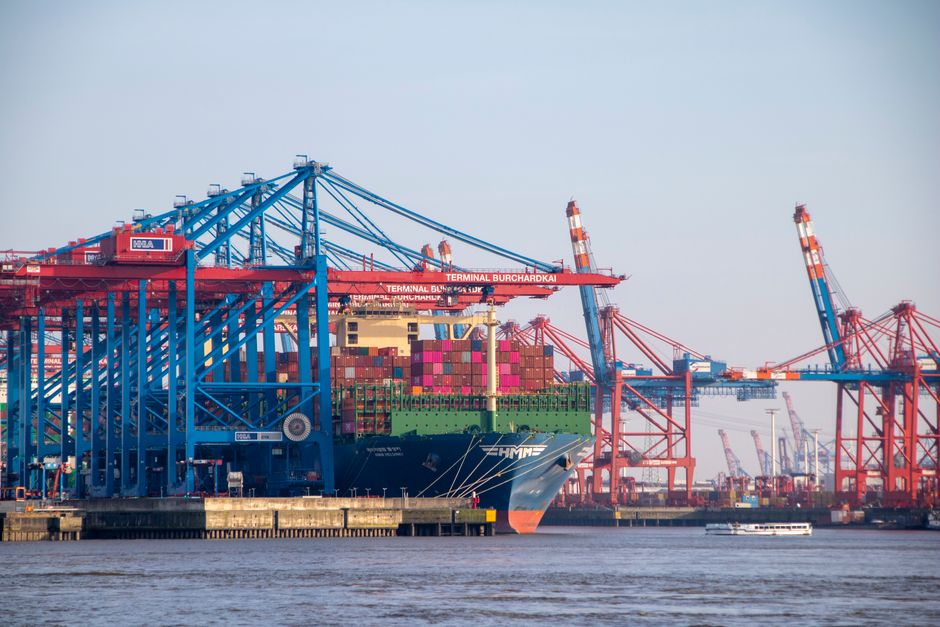
Germany's economy ministry stated in its monthly report that growth momentum likely slowed temporarily in the third quarter, hampered by subdued industrial activity, higher energy prices, uncertainty, and financing costs.
"The outlook for industrial activity remains subdued, and domestic demand is unlikely to provide much short-term momentum," according to an Investing.com report detailing the ministry's findings.
Pressures on Industrial Activity
The persistent weakness in Germany's manufacturing and industrial sectors continues to weigh heavily on Europe's largest economy. Higher energy prices, combined with elevated financing costs driven by European Central Bank interest rate policies, have strained capital-intensive industries that traditionally form the backbone of German export strength.
Compounding these structural cost pressures is broader macroeconomic uncertainty, which has led businesses and consumers to exercise caution with capital expenditures and discretionary spending. This hesitation has dampened domestic demand, preventing internal markets from offsetting the ongoing external trade headwinds.
What Is at Stake for Eurozone Growth
As Germany navigates this temporary third-quarter slowdown, the broader Eurozone economic outlook faces heightened pressure. Because of Germany's central role in European manufacturing and trade, prolonged stagnation in its industrial base impacts supply chains and economic stability across the entire currency bloc. This makes the trajectory of domestic demand and energy costs a primary focus for policymakers heading into the final months of the year.
Muhamed Porić
Founder and Editor of Embers.
Newsletter
Get Embers in your inbox
The stories that actually moved something, delivered when there's something worth sending, not daily filler.