EU Proposes One-Year Delay to Methane Rules for Energy Imports
The European Commission has proposed delaying strict methane rules for oil and gas imports to 2028 amid energy security concerns and U.S. lobbying.
By Muhamed Porić
October 20, 2026 at 11:55 AM
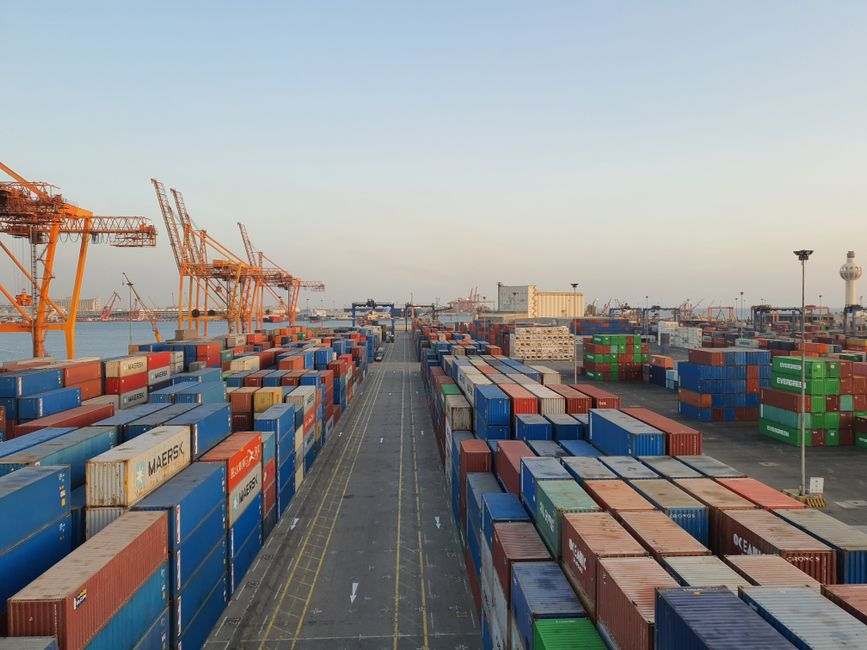
The European Commission has proposed a one-year delay to strict methane emissions rules for oil and gas imports, moving the enforcement start date from January 1, 2027, to January 1, 2028. The adjustment comes amid mounting energy security concerns, geopolitical disruptions, and direct lobbying from major fossil fuel suppliers.
"This one-year postponement of the import-related provisions is designed to help avoid additional pressures on the security of supply of imported fossil fuels in the current geopolitical context," the European Commission stated in a release.
Reporting Deadlines and Compliance Timelines
Under the newly proposed amendments, importers operating within the trading bloc would receive an extended compliance runway. Specifically, firms would have until May 31, 2029, to demonstrate that their preceding year of oil, gas, and coal imports met methane monitoring and reporting standards equivalent to European Union regulations.
While the postponement offers temporary relief to foreign suppliers navigating complex verification hurdles, industry trade groups have questioned the long-term viability of a single 12-month extension.
"Without a mechanism for further extensions, we risk finding ourselves in exactly the same situation 12 months from now," said a spokesperson for the International Association of Oil and Gas Producers in a media statement.
Geopolitical Pressures and U.S. Lobbying
The regulatory rollback follows intense pressure from external governments and domestic energy majors. The United States, which serves as Europe's largest supplier of liquefied natural gas, previously warned that the stringent monitoring requirements risked disrupting critical fuel deliveries.
Diplomatic friction intensified when French President Emmanuel Macron formally wrote to European Commission President Ursula von der Leyen. That communication requested an official postponement, citing potential legal vulnerabilities for European fuel importers attempting to comply with the initial 2027 enforcement window.
What Is at Stake for European Energy Security
The regulatory delay highlights the ongoing tension between Europe's ambitious climate targets and immediate macroeconomic vulnerabilities. With regional energy markets managing tight gas storage levels alongside supply disruptions linked to conflict in the Middle East, policymakers opted to prioritize supply stability over accelerated emissions enforcement.
Muhamed Porić
Founder and Editor of Embers.
Newsletter
Get Embers in your inbox
The stories that actually moved something, delivered when there's something worth sending, not daily filler.