European Equities Hold Steady as Natural Gas Prices Rise
European natural gas prices have hit their highest levels since 2022, but analysts suggest the region's equity market is better prepared for the shock.
By Muhamed Porić
October 4, 2026 at 6:55 PM
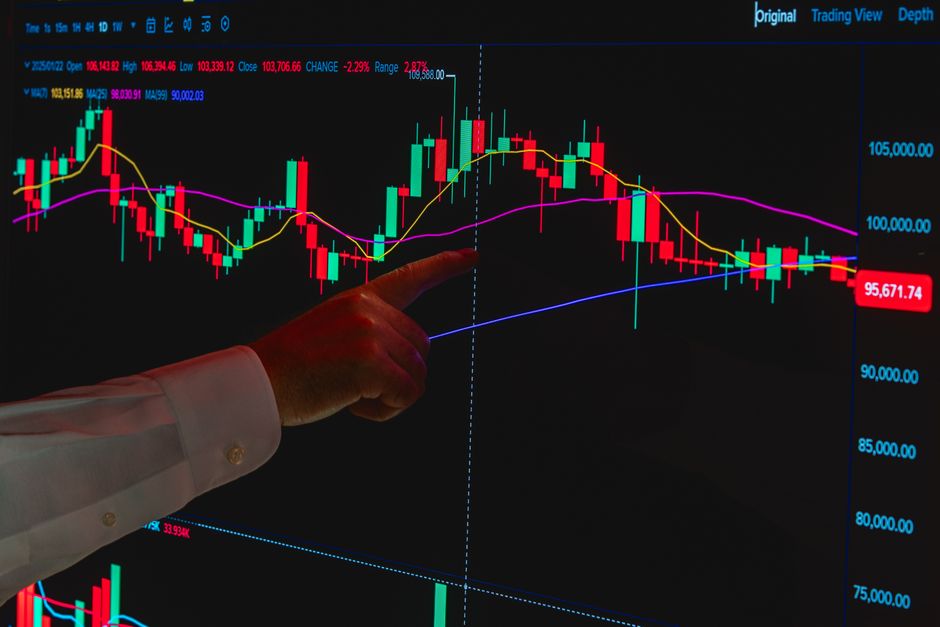
European natural gas prices have climbed above €80 per megawatt-hour, reaching their highest level since late 2022. Analysts suggest the regional equity market is better equipped to manage this volatility than during previous energy crises. Improved storage levels and a reduced sensitivity to gas supply disruptions currently buffer the economy against the recent price spike.
"While the surge in gas prices is notable, the structural position of European markets has evolved significantly since the 2022 energy shock, providing a cushion that wasn't present during the initial crisis," according to a report by Citi strategists.
Historical Sector Vulnerability
Specific sectors remain exposed to the volatility of energy inputs. Historically, price spikes in natural gas have affected industries with high energy intensity or those sensitive to consumer discretionary spending. Sectors that have previously underperformed during such shocks include:
- Automotive: High energy requirements for manufacturing processes.
- Chemicals: Heavy reliance on natural gas as both a fuel source and a chemical feedstock.
- Travel and Leisure: Vulnerable to the indirect impact of reduced consumer disposable income.
- Banking: Susceptible to broader economic slowdowns triggered by energy cost inflation.
Outlook for Price Normalization
Commodity strategists are tracking several variables that could influence price trajectory through the remainder of the year. Projections suggest that natural gas prices may retreat toward the mid-€50s per megawatt-hour by year-end. This forecast remains contingent on specific geopolitical and environmental factors. Key variables include the potential reopening of the Strait of Hormuz and the severity of winter weather conditions, which would impact supply logistics and heating demand across the continent.
Why This Matters for Investors
The current price environment tests Europe's post-2022 energy transition efforts. During the 2022 crisis, the region faced an abrupt loss of Russian pipeline gas, leading to a scramble for liquefied natural gas (LNG) and a sharp contraction in industrial output. The current market environment features higher inventory levels and a diversified supply chain. While not immune to price shocks, this provides a different set of risks compared to the supply-constrained environment of two years ago.
Muhamed Porić
Founder and Editor of Embers.
Newsletter
Get Embers in your inbox
The stories that actually moved something, delivered when there's something worth sending, not daily filler.