EIA Raises 2026 Oil Forecast 5% on Middle East Supply Drops
The EIA raised its 2026 oil price forecasts by nearly 5% due to Middle East supply disruptions and falling global inventories.
By Muhamed Porić
September 20, 2026 at 11:24 AM
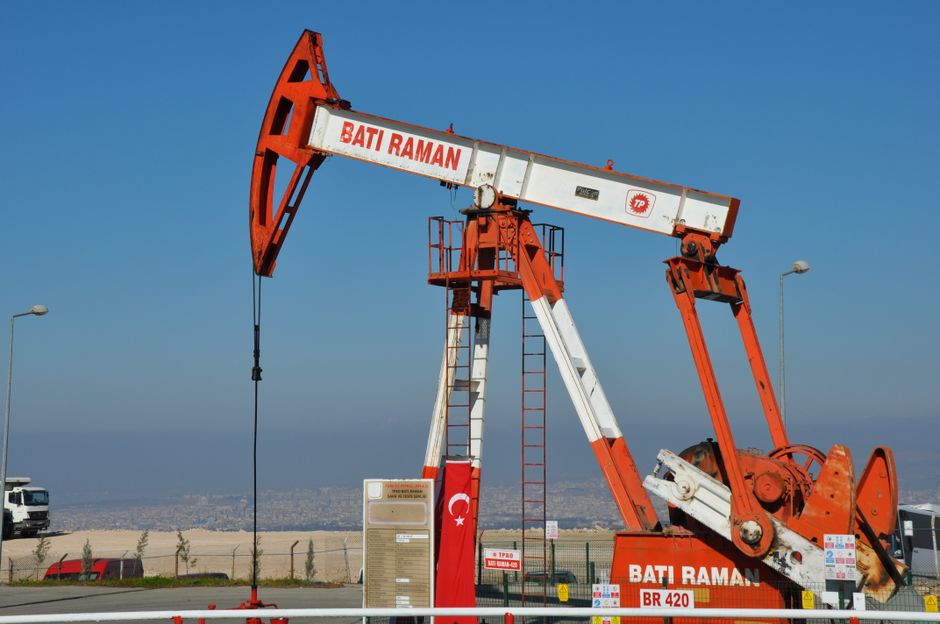
The U.S. Energy Information Administration raised its crude price forecasts for 2026 by nearly 5%, driven by lost Middle East supply and rapidly falling global stockpiles from the ongoing Iran conflict, according to an Investing.com report.
Forecast Revisions for Brent and WTI
The federal agency raised its Brent crude spot price forecast for the year to average around $91 per barrel, representing a nearly 5% increase from its previous 2026 forecast. U.S. West Texas Intermediate (WTI) crude prices are projected to average $84.65 per barrel this year, also climbing nearly 5% from prior estimates.
These upward revisions reflect tightened market conditions as geopolitical conflicts directly curtail extraction output across key oil-producing regions in the Middle East.
Production Shut-Ins and Inventory Drains
Middle East crude oil production shut-ins increased to 6.7 million barrels per day in August, up from 5 million barrels per day in July. The agency forecasts that these shut-ins will average 5.7 million barrels per day through the fourth quarter of 2026.
Global oil inventories have declined by 400 million barrels so far in 2026, and the agency projects that stockpiles will continue falling through the end of the year as consumption outpaces constrained production.
What Is at Stake for Global Markets
The sustained reduction in Middle East output and accelerating inventory draws highlight persistent vulnerability in global energy supplies. As physical barrels leave the market, refining margins and consumer fuel costs face upward pressure, complicating macroeconomic inflation trends as central banks monitor commodity price volatility.
Muhamed Porić
Founder and Editor of Embers.
Newsletter
Get Embers in your inbox
The stories that actually moved something, delivered when there's something worth sending, not daily filler.