DHS Proposes Ending 60-Day Grace Period for H-1B Visa Holders
The Department of Homeland Security proposed eliminating the 60-day grace period for H-1B and other temporary visa holders after a job loss.
By Muhamed Porić
September 27, 2026 at 2:10 AM
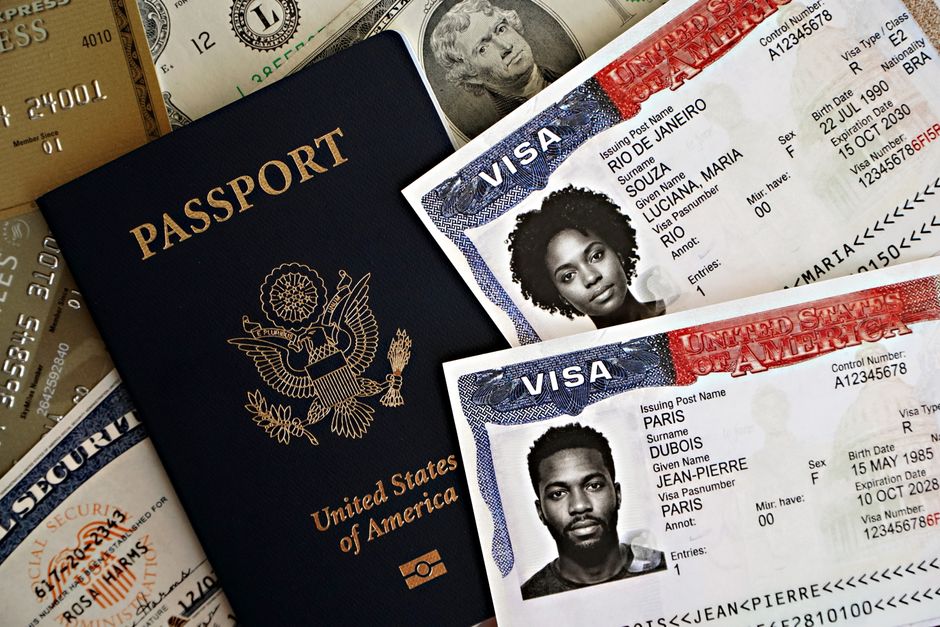
The Department of Homeland Security has proposed eliminating the 60-day grace period that allows H-1B and other temporary workers to remain in the U.S. and find a new sponsor after a layoff, according to a government notice published Friday. Under the new regulatory text, affected foreign nationals would be classified as immediately removable from the country upon the termination of employment.
The proposed rollback targets a window established during the final days of the Obama administration. The policy took effect on January 17, 2017, providing nonimmigrant visa holders a brief operational runway to secure alternative employment, change status, or prepare for departure without falling out of legal compliance.
Impact on Tech and Specialized Workers
According to Department of Homeland Security calculations, approximately 4,000 workers utilize the grace period annually to submit a new nonimmigrant petition following a resignation or job loss. More than 99% of those utilizing the provision are H-1B visa holders, a classification heavily relied upon by the technology and engineering sectors.
The rule change extends beyond the primary H-1B program, affecting several other employment-based nonimmigrant categories that currently rely on the transitional window:
- E-1 and E-2 treaty traders and investors
- L-1 intracompany transferees
- O-1 individuals with extraordinary ability or achievement
- TN professionals under the United States-Mexico-Canada Agreement
- H-1B1 and E-3 specialty occupation workers for specific foreign nationals
Regulatory Process and Next Steps
The policy shift is currently structured as a proposal rather than an immediate enforcement action. The text has been entered into the Federal Register, initiating a 60-day public comment period where employers, legal associations, and affected workers can submit feedback before officials weigh potential modifications or advance toward a final rule.
Muhamed Porić
Founder and Editor of Embers.
Newsletter
Get Embers in your inbox
The stories that actually moved something, delivered when there's something worth sending, not daily filler.