China Urges FX Hedging as Strong Yuan Weighs on Exporters
China's FX regulator urged banks to push corporate hedging as a rising yuan drove exporter losses to a decade high of 70 billion yuan in the first half.
By Muhamed Porić
October 5, 2026 at 11:45 PM
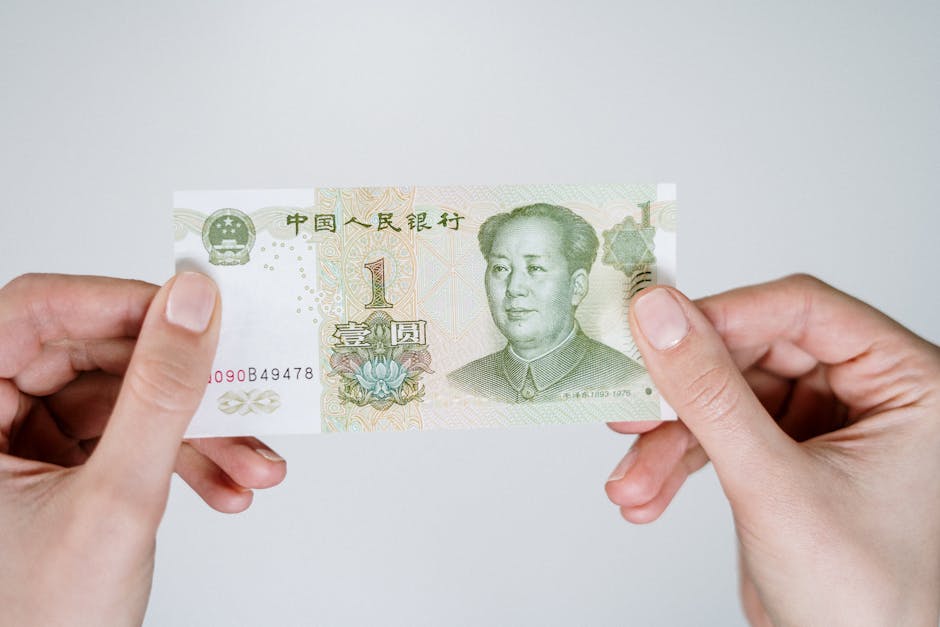
China's foreign exchange regulator has instructed commercial lenders to deploy informal window guidance urging corporate clients to increase currency hedging, as a strengthening yuan squeezes exporter profit margins. The yuan has appreciated 4.3% this year, trading near a four-year high against the U.S. dollar and intensifying pressure on domestic manufacturers dependent on overseas sales.
"However, these losses have remained manageable given the substantial earnings growth generated by these export-oriented companies," Goldman Sachs analysts said in a note published last week.
Derivative Volumes and Earnings Impact
Corporate foreign exchange losses reached their highest level in a decade during the first half of the year, totaling approximately 70 billion yuan, which accounts for about 4% of total earnings, according to analysis from Goldman Sachs. Despite those pressures, corporate hedging activity expanded concurrently.
Data from the State Administration of Foreign Exchange shows that the total value of foreign exchange derivative contracts signed by corporations approached $1.4 trillion in the first half of the year, representing an increase of about 40% compared to the same period in the prior year. Over the same timeframe, the nationwide foreign exchange hedging ratio reached 35.3%.
Regional Guidance and Regulatory Subsidies
To accelerate adoption across different administrative jurisdictions, regulators deployed targeted provincial measures. SAFE regional branches in provinces with weaker trade activity were directed to raise their local hedging ratios up to the national average. Meanwhile, lenders operating in export-heavy coastal provinces received encouragement to target hedging ratios of around 40% or higher.
Alongside informal policy instructions, some regional SAFE branches offered direct financial incentives to offset corporate transition costs. Certain branches provided subsidies covering part or all of the currency option premiums incurred by companies entering new derivative contracts.
What Is at Stake for Trade Policy
The reliance on informal window guidance reflects Beijing's preference for administrative steering over direct capital controls to manage currency volatility. As the yuan hovers near four-year highs, policymakers are attempting to shield export-driven manufacturers from sudden margin compression without destabilizing broader capital flows.
Muhamed Porić
Founder and Editor of Embers.
Newsletter
Get Embers in your inbox
The stories that actually moved something, delivered when there's something worth sending, not daily filler.