Brent Crude Surges Above $100 as Strait of Hormuz Chokepoint Tightens
Brent crude futures surged above $100 a barrel, settling at $101.21, as military strikes between the U.S. and Iran disrupted Strait of Hormuz shipping.
By Muhamed Porić
September 10, 2026 at 7:32 AM
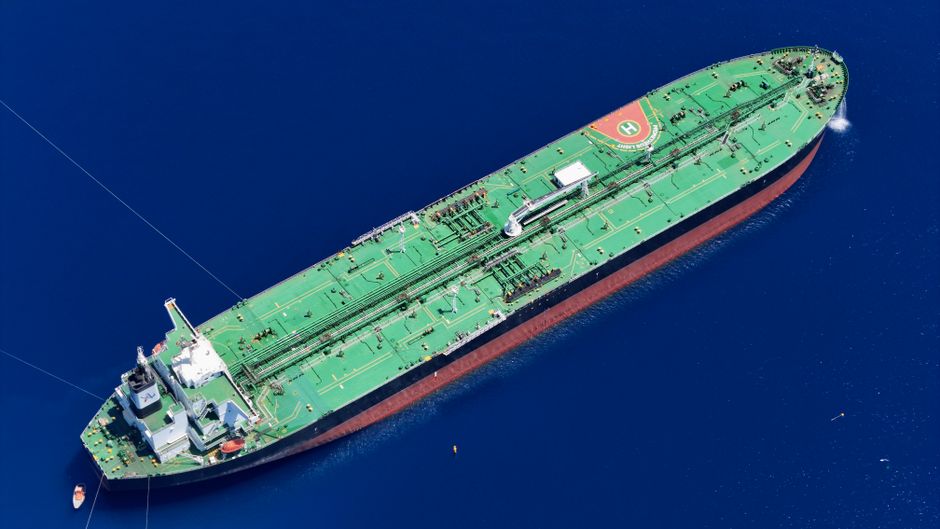
Front-month Brent crude futures crossed back above $100 a barrel for the first time since July, settling at $101.21, as intensifying military engagements between the U.S. and Iran disrupted commercial shipping lanes.
Front-month Brent crude futures settled up $3.29, or 3.4%, at $101.21 a barrel. Simultaneously, U.S. West Texas Intermediate rose $3.02, or 3.25%, to settle at $96.05 a barrel as energy markets absorbed the direct impacts of the six-month regional conflict.
"The move towards and back above $100 Brent is reflecting a market that increasingly has to change its view on how long the Middle East crisis will continue to curb supply from the region," said Ole Hansen, head of commodity strategy at Saxo Bank.
Shipping Disruptions in the Strait of Hormuz
The price surge follows a sharp escalation in maritime hostilities near the Strait of Hormuz. According to reports from Yahoo Finance, Iran stated it attacked 10 vessels near the strategic chokepoint, while the U.S. military responded by sinking five Iranian oil tankers.
These military strikes have severely constricted petroleum transit through the passage. Crude oil flows through the Strait of Hormuz plunged below 2 million barrels per day, down precipitously from the 8 million to 9 million barrels per day recorded the week prior to the resumption of fighting on August 30.
"The near-term fundamentals have suddenly turned to much tighter supplies, and the back and forth strikes from the U.S. and Iran look to now be a mainstay, with any chance of a peace agreement moving further out in the distance," said Dennis Kissler, senior vice president of energy trading at BOK Financial.
Global Energy Market Implications
The Strait of Hormuz serves as a critical oil transit chokepoint, connecting Middle Eastern crude producers to global consumers in Asia, Europe, and North America. The loss of up to 7 million barrels per day in transit volume forces refiners to seek alternative supply routes and draws down global inventories at a time when spare production capacity remains constrained across major exporting nations.
Muhamed Porić
Founder and Editor of Embers.
Newsletter
Get Embers in your inbox
The stories that actually moved something, delivered when there's something worth sending, not daily filler.