US Natural Gas Stocks Rise 64 Billion Cubic Feet, Beating Forecasts
U.S. natural gas storage rose by 64 billion cubic feet last week, beating forecasts and signaling potential price pressure in energy markets.
By Muhamed Porić
October 7, 2026 at 1:51 PM
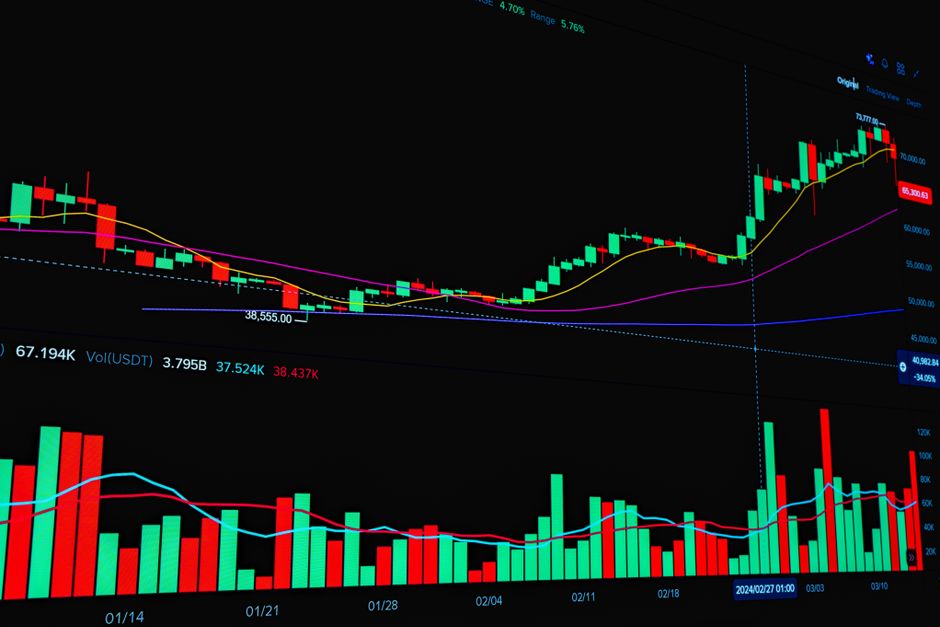
U.S. natural gas storage levels increased by 64 billion cubic feet over the past week, exceeding analyst forecasts of 63 billion cubic feet. This inventory build signals weaker demand, which may exert downward pressure on natural gas prices.
The latest figures represent an acceleration in storage growth compared to the previous week, which saw an increase of 53 billion cubic feet. These weekly reports from the U.S. Energy Information Administration (EIA) provide data on the balance between domestic production and consumer consumption.
Why Natural Gas Storage Matters for Markets
Natural gas inventory data serves as a barometer for industrial and residential energy demand. When storage levels consistently exceed expectations, it suggests that the market is oversupplied or that consumption is lagging. This situation forces producers to adjust prices to clear existing supply.
Beyond domestic energy markets, these fluctuations often affect currency valuations. Because Canada maintains an energy-exporting sector, the Canadian dollar is sensitive to North American natural gas inventory reports. Higher-than-expected supply in the U.S. can weigh on the Canadian dollar, as the commodity's price outlook affects the revenue prospects of Canada's energy-heavy economy.
Understanding Inventory Cycles
Inventory levels are categorized by their proximity to seasonal peaks. During injection season, which includes the spring and summer months, utilities and energy firms build up underground storage to prepare for the winter heating season.
Analysts monitor these weekly injections to determine if the country is on track to meet seasonal storage targets. A surplus relative to forecasts, such as the one reported this week, indicates that current infrastructure is filling faster than anticipated, providing a buffer against supply disruptions or demand spikes later in the year.
Muhamed Porić
Founder and Editor of Embers.
Newsletter
Get Embers in your inbox
The stories that actually moved something, delivered when there's something worth sending, not daily filler.