US Crude Stocks Fall Below Forecasts in Sign of Weaker Demand
US crude inventories fell less than expected in API and EIA reports, pointing toward softer demand dynamics in the domestic energy market.
By Muhamed Porić
September 21, 2026 at 11:51 AM
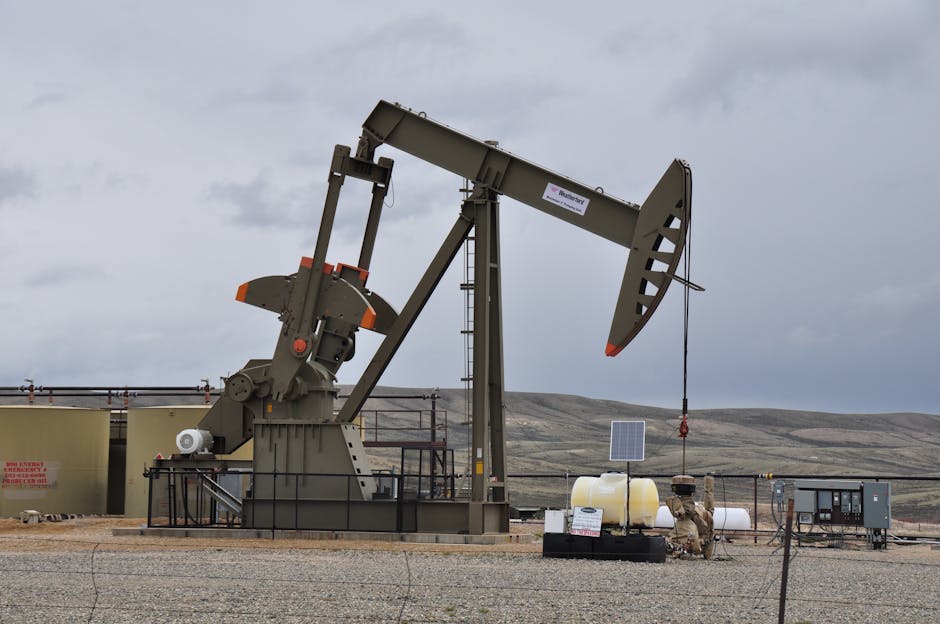
U.S. crude oil inventories fell less than anticipated across both primary industry reports, signaling softer demand dynamics in the domestic energy market as actual drawdowns lagged significantly behind market expectations.
API and EIA Inventory Discrepancies
The American Petroleum Institute reported a U.S. crude inventory decline of 0.3 million barrels, falling short of consensus forecasts and contrasting with the previous week's reduction of 2.6 million barrels, according to an Investing.com report.
Following the industry group figures, the Energy Information Administration released official data showing U.S. crude oil inventories decreased by 0.4 million barrels. That official reduction came in below the forecasted decline of 1.4 million barrels and contrasted with a prior drawdown of 4.5 million barrels, according to a subsequent Investing.com update.
What Is Driving the Lower Drawdowns?
Inventory data serves as a primary barometer for measuring supply and demand balances in the petroleum sector. When crude inventories drop by smaller margins than analysts project, it typically indicates that refinery processing rates are slowing down or that domestic consumption of refined products like gasoline and distillate fuel is failing to keep pace with available supply.
The divergence between forecasted draws and actual inventory changes often prompts recalibration among traders monitoring macroeconomic signals. Consecutive weeks of narrowing drawdowns suggest that the consumption patterns seen during earlier periods may be moderating as market participants navigate shifting seasonal demand and broader economic pressures.
Market Implications for Crude Pricing
Energy markets closely monitor the weekly figures published by both the API and the federal EIA to gauge near-term supply tightness. Smaller-than-expected withdrawals from commercial storage facilities can reduce upward pressure on crude prices by removing a key bullish catalyst from trading desks.
As participants digest the latest government and industry figures, attention turns toward upcoming production metrics and refinery utilization rates to determine whether the softer demand trend will persist through the current operating cycle.
Muhamed Porić
Founder and Editor of Embers.
Newsletter
Get Embers in your inbox
The stories that actually moved something, delivered when there's something worth sending, not daily filler.