UBS Downgrades Hermès to Sell Over Brand Exclusivity Concerns
UBS downgraded Hermès to sell, citing concerns that increased sales of non-quota bags are eroding brand exclusivity and making the company's demand more cyclical.
By Muhamed Porić
October 9, 2026 at 8:16 PM
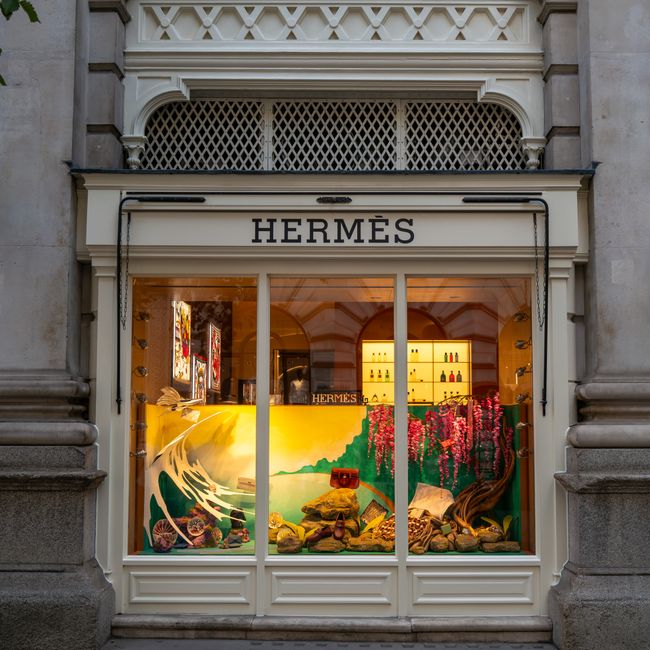
UBS has downgraded Hermès International from neutral to sell. The bank cites concerns that the luxury house's recent expansion strategy is eroding its scarcity value and shifting its demand profile toward cyclical patterns.
Following the downgrade, UBS cut its 12-month price target for the stock to €1,168 from €1,695, according to an Investing.com report. The adjustment reflects a re-evaluation of the brand's ability to maintain its premium positioning in a cooling luxury market.
Eroding Scarcity and Margin Outlook
A central pillar of the UBS thesis is the changing composition of the company's leather-goods portfolio. Analysts estimate that non-quota bags now account for approximately 65% of total leather-goods sales. UBS argues that by increasing the availability of these products, Hermès is diluting the exclusivity that has historically insulated the brand from economic downturns.
This shift in product mix is expected to weigh on the company's financial performance. UBS projects that the firm's 2027 operating margin will decline to 38.3%, a contraction of 100 basis points compared to the prior year. The bank attributes this forecasted margin compression to these factors:
- Slower overall sales growth.
- Increased costs associated with currency hedging.
- Elevated spending on communications and marketing.
Why Brand Exclusivity Matters
In the luxury sector, scarcity value refers to a brand's ability to keep supply below demand. This justifies premium pricing and protects margins during periods of economic volatility. When a brand shifts toward higher volume, particularly through more accessible items like non-quota bags, it risks moving from a Veblen good (where demand increases as price increases) to a standard luxury good sensitive to consumer sentiment and macroeconomic cycles.
This transition makes the company vulnerable to the same inventory and demand pressures that have impacted peers in the luxury goods space. By moving away from the extreme scarcity model, Hermès is becoming more cyclical. Its revenue and profit growth are likely to fluctuate with global GDP and discretionary spending trends.
Disclosure and Market Position
As part of its standard regulatory disclosures, UBS noted that it currently holds a long position of 0.5% or more in Hermès shares. The downgrade marks a departure from the bank's previous stance. It signals that the premium valuation historically afforded to the brand may be difficult to justify as its growth profile normalizes.
Muhamed Porić
Founder and Editor of Embers.
Newsletter
Get Embers in your inbox
The stories that actually moved something, delivered when there's something worth sending, not daily filler.