Sylvania Platinum Revenue Doubles on Record PGM Output in FY26
Sylvania Platinum reported record FY2026 revenue of $226.3M and a 289% EBITDA surge, but shares stayed flat on lower FY2027 guidance.
By Muhamed Porić
October 18, 2026 at 5:05 PM
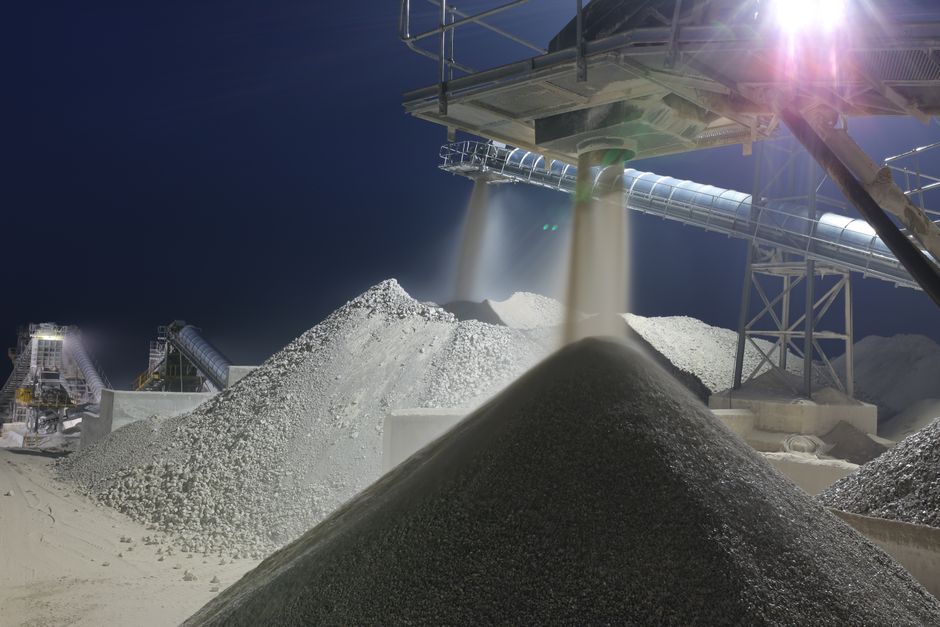
Sylvania Platinum delivered net revenue of $226.3 million in fiscal year 2026, more than double the prior year's $104.2 million, supported by record platinum group metal production and the addition of chrome revenue.
While the company surpassed its revised production targets, shares remained flat as investors weighed lower fiscal 2027 guidance and initial operational hurdles at the Thaba chrome joint venture.
Financial Surge Driven by Higher Basket Prices
Group EBITDA surged 289% to $114.2 million, according to an Investing.com report. This expansion was driven by a 60% increase in the 4E PGM basket price to $2,404 per ounce alongside the new revenue stream from chrome operations.
The 4E basket price measures four precious metals: platinum, palladium, rhodium, and gold. Higher global demand and supply constraints across South African mining regions supported the price gains during the period.
Production Volumes Exceed Guidance
For the full year, Sylvania Platinum produced 95,885 ounces of 4E PGMs and 122,460 ounces of 6E PGMs. These figures represented 18% and 17% year-over-year increases respectively, exceeding the company's revised guidance range.
- 4E PGM Production: 95,885 ounces (up 18% year-over-year)
- 6E PGM Production: 122,460 ounces (up 17% year-over-year)
- Thaba Chrome Output: 50,317 tonnes
Chrome production from the newly commissioned Thaba joint venture reached 50,317 tonnes, hitting the lower end of revised guidance. Operations at the site faced initial headwinds, including power constraints and high seasonal rainfall that slowed the ramp-up schedule.
Outlook and Fiscal 2027 Guidance
Despite the record financial performance, management issued a cautious outlook for the upcoming year. For fiscal 2027, Sylvania guided to 85,000 to 95,000 ounces of 4E PGMs, sitting slightly below the record levels achieved in fiscal 2026.
The anticipated moderation in output stems from the depletion of third-party material at certain operations, which will reduce available feed-stock for processing plants over the next twelve months.
Muhamed Porić
Founder and Editor of Embers.
Newsletter
Get Embers in your inbox
The stories that actually moved something, delivered when there's something worth sending, not daily filler.