Supreme Court Rejects Zillow Appeal in Investor Class Action
The Supreme Court declined to hear Zillow's appeal, allowing a securities class action lawsuit over its failed Zillow Offers business to proceed to trial.
By Muhamed Porić
October 10, 2026 at 4:21 PM
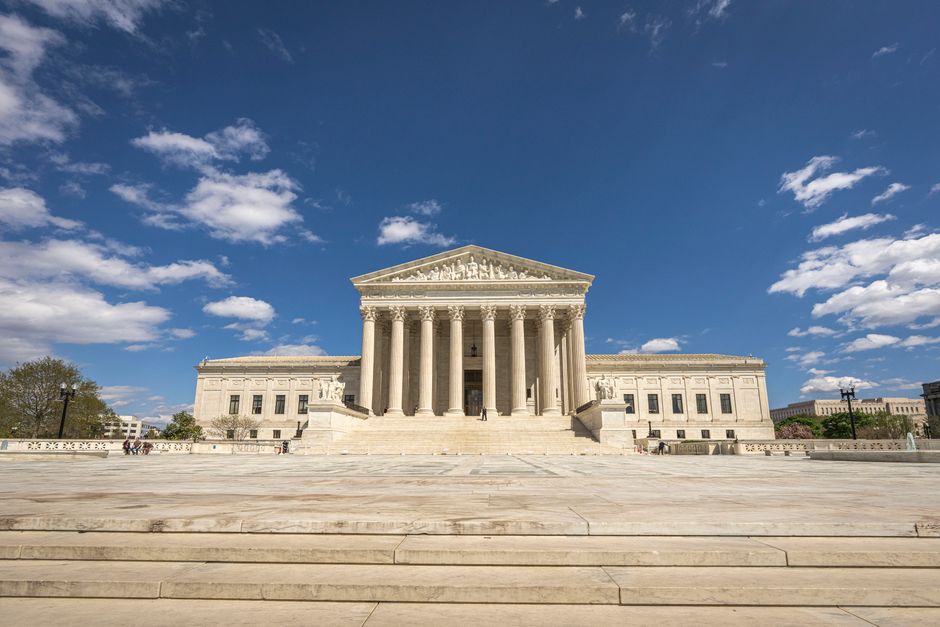
The U.S. Supreme Court has declined to hear an appeal from Zillow Group. This decision allows a securities class action lawsuit to proceed to trial in federal court. The case centers on allegations that the real estate technology company misled investors regarding the risks and performance of its now-defunct Zillow Offers home-flipping division.
"We look forward to now moving this case to trial," said Steve Berman, a lawyer at the Hagens Berman law firm, which represents the plaintiffs in the class action.
The Price-Maintenance Allegations
The lawsuit, originally filed in 2021, relies on a price-maintenance legal theory. In traditional securities fraud cases, defendants are accused of making false statements to artificially inflate a stock price. Price-maintenance cases argue that a company made misrepresentations to prevent its stock price from falling. Plaintiffs contend that Zillow concealed operational difficulties within the Zillow Offers unit to maintain investor confidence and avoid a decline in market valuation.
Zillow has maintained that its disclosures were accurate. The company argues that the failure of the business unit resulted from market volatility rather than corporate misconduct.
"Zillow made a business decision to enter a new line of business, disclosing all of the risk in doing so, that in the end simply did not work out as the company had hoped," the company's lawyers stated in a court filing.
Impact of the Zillow Offers Shutdown
The litigation stems from the closure of the Zillow Offers business in November 2021. The decision to exit the home-flipping market resulted in a $300 million write-down for the company. The company also implemented a 25% workforce reduction as it pivoted away from the inventory model.
What Is at Stake
For investors, the case is an effort to recoup losses sustained during the period surrounding the division's closure. The Supreme Court's refusal to intervene means the case will now proceed to discovery and trial in Washington state. The court will weigh whether Zillow’s public statements regarding the viability of its home-buying algorithms and inventory management met the required standards for corporate transparency.
The outcome of the trial could affect how companies in the real estate tech sector disclose the risks associated with algorithmic pricing models and asset acquisition strategies.
Muhamed Porić
Founder and Editor of Embers.
Newsletter
Get Embers in your inbox
The stories that actually moved something, delivered when there's something worth sending, not daily filler.