Nestle Increases Brazil Cocoa Sourcing to Cut West Africa Risk
Nestle is increasing its cocoa sourcing in Brazil and working with farmers to diversify away from West Africa amid global supply pressures.
By Muhamed Porić
September 27, 2026 at 7:15 PM
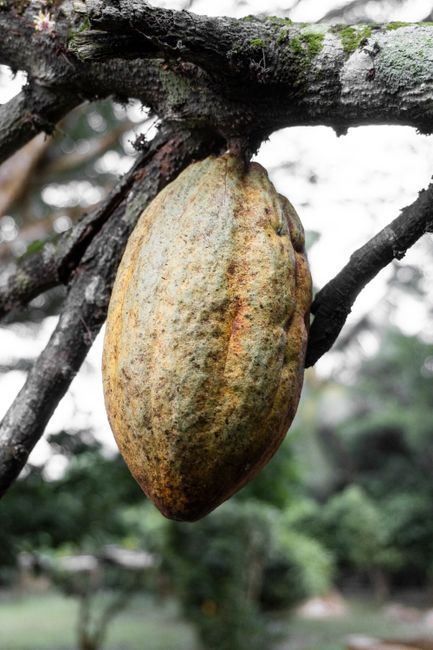
Nestlé is expanding its cocoa purchases in Brazil and collaborating with local farmers on low-fertilizer techniques to diversify away from traditional West African suppliers, aiming to build supply chain resilience following historic commodity price volatility.
"That means diversifying sourcing," said Philipp Navratil, Chief Executive Officer, Nestlé, in a statement regarding the shift. "Cocoa would be primarily sourced out of Western Africa. That was the number one source. And we have then decided Brazil is a really good place to go and look for high-quality cocoa."
According to an AOL report, the shift comes as the chocolate producer seeks alternatives to West Africa, which has historically dominated global output but faced severe weather and crop disease pressures in recent years. By turning to Brazil, the company is tapping into a revived agricultural sector that features modern farming methods designed to reduce fertilizer overhead.
What is at stake for the broader chocolate industry is long-term supply stability as traditional growing regions grapple with environmental stress. Major manufacturers are increasingly forced to restructure procurement maps to insulate themselves against severe harvest deficits and soaring cocoa futures.
The Historical Collapse of Brazilian Cocoa
Brazil was once a dominant force in the global cocoa market, standing as a major international supplier during the 1970s. That standing collapsed after a devastating plant fungus known as "Witch's Broom" swept through plantations, decimating crops and crippling the nation's export capacity for decades.
In recent years, however, several large-scale farms have restarted production by planting genetically resilient trees capable of withstanding agricultural blights. These modernized operations form the foundation of Nestlé's renewed procurement strategy in South America.
Production Timelines and Growth Projections
Transitioning global supply chains to new agricultural regions requires considerable time. Cocoa trees can take up to five years to reach full production potential, meaning an immediate, large-scale replacement of West African beans is not feasible.
Currently, Brazil produces roughly enough cocoa to satisfy its own domestic consumption. However, according to data cited by AOL, the Brazilian government projects national output to double over the next five years, reaching approximately 400,000 tons as new acreage matures.
Muhamed Porić
Founder and Editor of Embers.
Newsletter
Get Embers in your inbox
The stories that actually moved something, delivered when there's something worth sending, not daily filler.