Hormuz Tanker Attacks Hit Weekly High Amid Regional Conflict
Tanker attacks in the Strait of Hormuz hit a weekly high of 12 incidents, intensifying crude shipping pressures and insurance costs.
By Muhamed Porić
October 13, 2026 at 8:11 AM
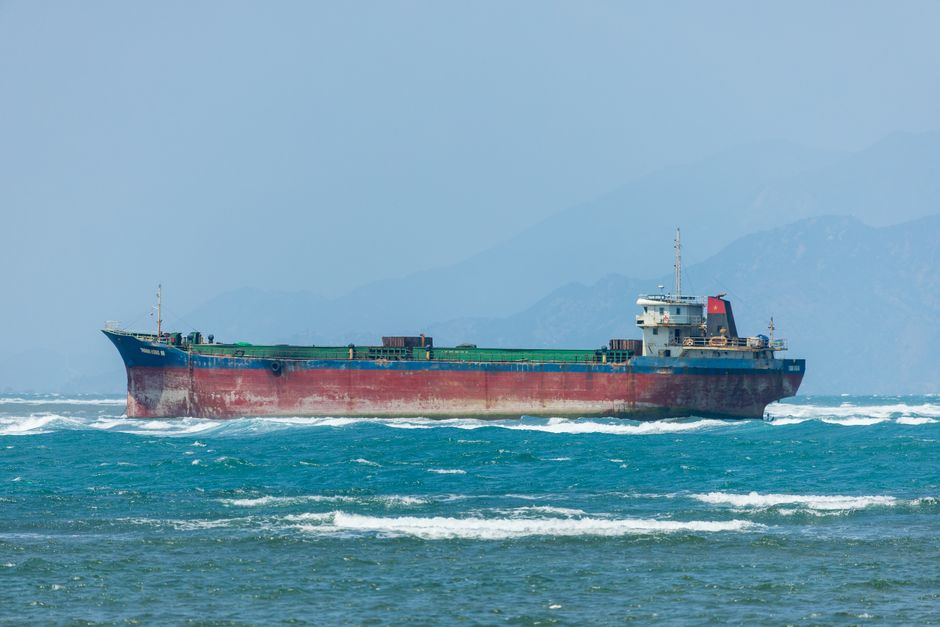
Attacks and harassment on oil and liquefied natural gas tankers in the Strait of Hormuz reached their highest weekly peak since the current conflict began, intensifying supply chain pressures on global crude shipping and maritime insurance costs.
Maritime security sources reported at least 12 attacks on energy tankers around the Strait of Hormuz between September 28 and October 5, marking a record weekly total since hostilities started on February 28, according to an AOL report.
"These actions continue to demonstrate Iran’s intent to assert presence along key transit lanes and maintain pressure on transiting vessels," stated a note from the US Navy-led Joint Maritime Information Center (JMIC).
Discrepancy in Official Incident Counts
While regional security monitors tracked 12 separate incidents during the final week of September and early October, distinct reporting channels recorded varying tallies. Separate data from the UN's International Maritime Organization (IMO) recorded nine vessel incidents during the exact same seven-day window.
These escalations coincide with an aggressive export push by Gulf producers attempting to move crude and gas volumes through the critical chokepoint. The Strait of Hormuz handles roughly a fifth of the world's petroleum consumption, making any sustained disruption a primary driver for global energy price volatility.
Crew Casualties on the On Peace
The physical toll on civilian seafarers mounted during the recorded week when an unknown projectile struck the Panama-flagged oil tanker On Peace while it transited the strategic waterway.
According to India's foreign ministry, 12 crew members sustained injuries in the strike. The incident underscored the immediate physical risks facing merchant mariners navigating the 21-mile-wide shipping lane.
Insurance and Shipping Impacts
Marine war risk underwriters have adjusted premiums for vessels entering the Persian Gulf following the repeated attacks. Shipowners face escalating operational overhead as insurers factor in the heightened probability of kinetic interference along the Iranian coastline.
The compounding pressures from physical damage, crew safety concerns, and surging insurance rates threaten to alter trade flows for crude oil and liquefied petroleum gas originating from Middle Eastern ports.
Muhamed Porić
Founder and Editor of Embers.
Newsletter
Get Embers in your inbox
The stories that actually moved something, delivered when there's something worth sending, not daily filler.