German Wholesale Prices Rise 6.8% in August Due to Energy Costs
German wholesale prices rose 6.8% in August 2026, the fastest increase since February 2023, driven by petroleum and chemical costs amid Middle East tensions.
By Muhamed Porić
October 10, 2026 at 6:06 PM
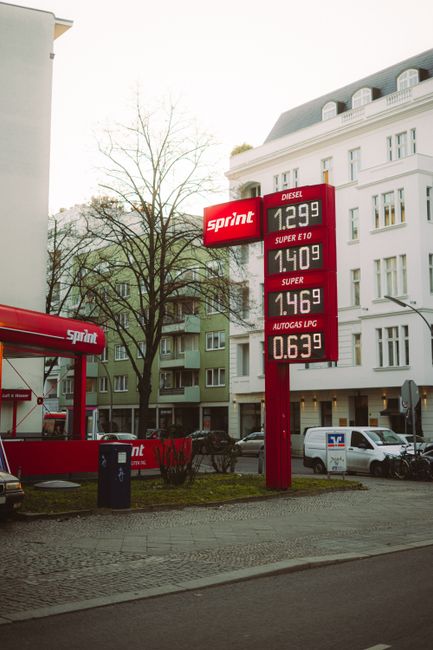
German wholesale prices increased by 6.8% year-on-year in August 2026, the sharpest annual rise since February 2023. The Federal Statistical Office reported a 0.9% monthly uptick as energy and raw material costs continue to pressure the German economy.
"As in previous months, the price increase registered in August 2026 was largely attributable to the conflict in Iran and the Middle East, which resulted in higher wholesale prices of energy products and raw materials, in particular," according to the federal statistics office.
Drivers of Inflation
The surge in wholesale costs is concentrated in energy-related sectors. Petroleum product prices rose 36.1% compared to the same period last year, and chemical products increased by 13.6%.
These figures show an acceleration compared to recent history. In February 2023, the index recorded a 9.5% year-on-year increase during the peak of post-pandemic supply chain disruptions and initial energy price shocks following the invasion of Ukraine. While the current 6.8% reading is below that 2023 peak, it signals renewed tightening of input costs for German manufacturers and distributors.
ECB Perspective
The rise in wholesale prices serves as an indicator for broader inflationary trends, as these costs are typically passed down to consumers and corporate end-users. European Central Bank officials have expressed unease regarding the volatility of these inputs.
"Quite concerning" is how ECB executive board member Isabel Schnabel described the recent energy price increases.
Market and Economic Impact
Wholesale price indices measure the change in the selling price of goods by wholesalers to other businesses. Because this stage of the supply chain acts as a precursor to consumer price inflation, the August data suggests that businesses may face pressure to absorb higher costs or pass them on to the retail market.
For the German economy, which relies on industrial output and energy-intensive manufacturing, the persistence of elevated energy costs remains a risk factor for domestic growth and export competitiveness.
Muhamed Porić
Founder and Editor of Embers.
Newsletter
Get Embers in your inbox
The stories that actually moved something, delivered when there's something worth sending, not daily filler.