China Pumping $54 Billion Into State Banks and Insurers
China's Ministry of Finance is injecting $54 billion into major state-owned banks and insurers to bolster financial stability and credit expansion.
By Muhamed Porić
September 6, 2026 at 12:30 PM
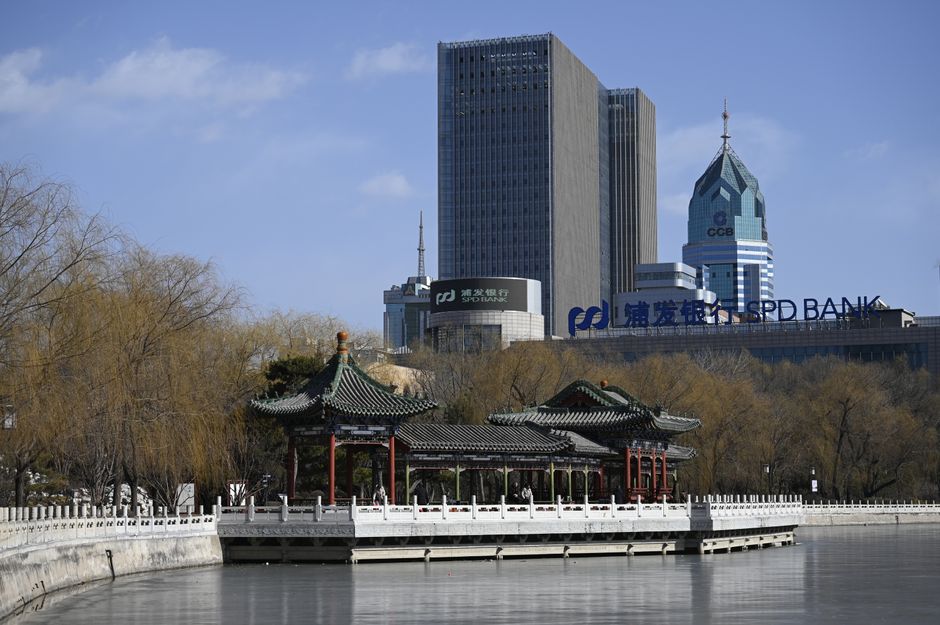
China's Ministry of Finance is orchestrating a $54 billion capital injection into major state-owned banks and insurers to bolster financial stability, combat low-interest-rate pressures, and sustain credit expansion amid weak domestic loan demand.
"The injection is an important step by the country to enhance the financial sector's ability to serve the real economy and promote the high-quality development of the financial and insurance industries," China Life said in its statement.
Breakdown of the Funding Package
The combined $54 billion package, representing roughly 360 billion yuan, is distributed across several of the nation's largest financial institutions. The funds are designed to replenish capital buffers and support lending capabilities as domestic economic pressures persist.
Key allocations within the funding initiative include:
- Agricultural Bank of China: Planning to raise up to 160 billion yuan through private A-share placements.
- Industrial and Commercial Bank of China (ICBC): Targeting up to 100 billion yuan via private A-share placements to replenish core Tier 1 capital.
- China Life Insurance (Group) Co: Set to receive 35 billion yuan ($5.2 billion).
- The People's Insurance Company of China: Planning to raise up to 15 billion yuan.
- China Export and Credit Insurance Corp: Scheduled to receive 10 billion yuan.
- China Taiping Insurance Group: Allocated 7 billion yuan.
- China Reinsurance (Group): Raising 3 billion yuan.
Mechanics and Capital Replenishment
Financial institutions rely on core Tier 1 capital to absorb losses and maintain solvency during periods of economic stress. By utilizing private A-share placements and treasury instruments, these state-backed entities can expand their capital bases without destabilizing existing equity structures.
What Is at Stake for Credit Markets
The capital infusion addresses structural headwinds facing China's financial sector, including compressed net interest margins and subdued loan demand from corporate and retail borrowers. By reinforcing the balance sheets of systemic lenders, Beijing aims to maintain a steady flow of credit to targeted sectors of the economy.
Muhamed Porić
Founder and Editor of Embers.
Newsletter
Get Embers in your inbox
The stories that actually moved something, delivered when there's something worth sending, not daily filler.