China Drives Global Gold Demand as World's Top Consumer and Producer
China drives global gold demand as the world's top producer and consumer, boosting 2024 prices to record quarterly averages of $2,070 per ounce.
By Muhamed Porić
September 6, 2026 at 12:34 PM
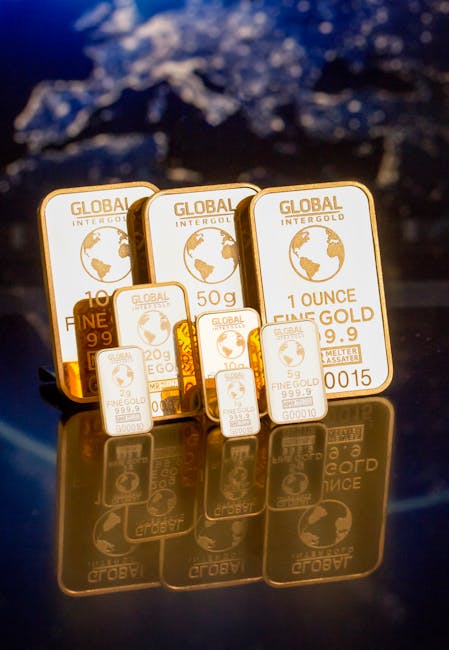
China's transformation into the world's largest gold consumer and producer has cemented its role as a primary driver of global gold demand and prices, supported by domestic economic pressures and strategic central bank reserve accumulation. Global demand rose 3% year-on-year to 1,238 tonnes in the first quarter of 2024, pushing prices to a record quarterly average of $2,070 per ounce.
"Looking ahead, 2024 is likely to produce a much stronger return for gold than we anticipated at the beginning of the year, based on its recent performance," said Louise Street, senior markets analyst at the World Gold Council, in a statement regarding the market figures.
Production Scale and Historical Context
China currently produces approximately 11% of the world's gold, securing its position as the largest global producer since it overtook South Africa in 2007. Recent data indicates the country operates 117 of more than 1,300 tracked gold mines worldwide.
This modern dominance stems from substantial regulatory changes over the past several decades. Private gold ownership remained strictly prohibited in China until 1983, when the government began permitting citizens to own the precious metal and subsequently established the Shanghai Gold Exchange, laying the groundwork for the country's emergence as a major market participant.
Retail Trends and Economic Pressures
Domestic economic shifts within China have amplified retail interest in the precious metal. Individual buyers have increasingly turned toward accessible retail products, including fractional pieces colloquially known as "gold beans," as alternative savings vehicles amid property sector downturns and domestic equity volatility.
At the institutional level, persistent central bank reserve accumulation has mirrored the strong physical demand seen across broader Asian markets. This sustained official sector buying has provided a structural price floor, contrasting with historical cycles driven primarily by Western investment funds.
What Is at Stake for Global Markets
The concentration of mining production and retail consumption in China shifts traditional pricing power dynamics toward Asian markets. As institutional buyers and retail participants continue to absorb physical supply against a backdrop of macroeconomic uncertainty, the country's domestic buying habits increasingly dictate international bullion valuations.
Muhamed Porić
Founder and Editor of Embers.
Newsletter
Get Embers in your inbox
The stories that actually moved something, delivered when there's something worth sending, not daily filler.