BofA Warns Market Complacency Amid Rising Bond Yields and AI Costs
Bank of America strategists warn that market complacency amid record diesel prices, rising bond yields, and heavy AI spending creates volatility risks.
By Muhamed Porić
October 1, 2026 at 1:30 AM
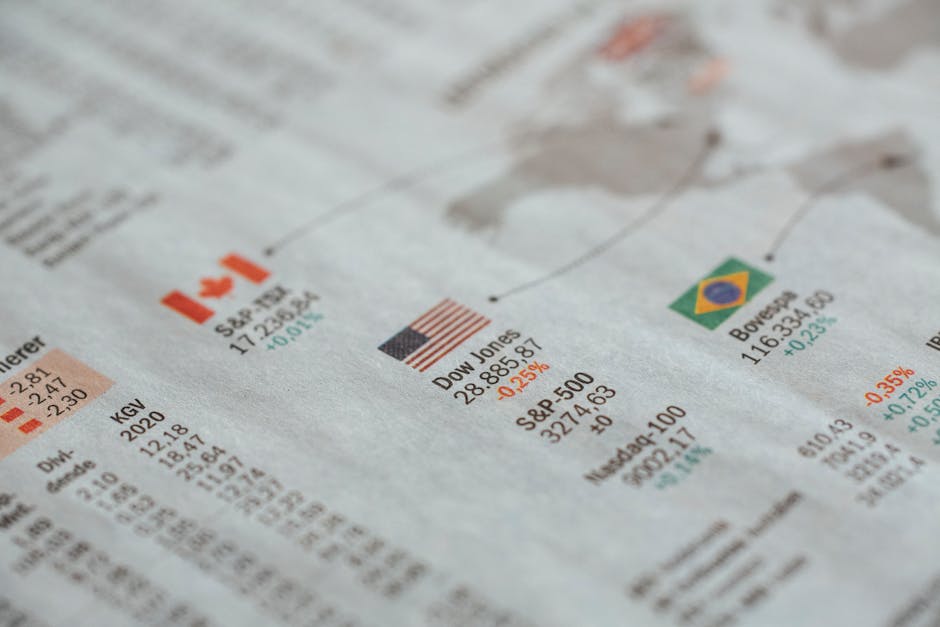
Bank of America strategists are warning that widespread market complacency in the face of climbing bond yields, record diesel prices, and heavy artificial intelligence expenditures creates a setup for sudden volatility. According to an Investing.com report, equity and debt markets are largely ignoring macroeconomic stress points that historically trigger defensive positioning.
"No panic anywhere may be the problem," said Jared Woodard, strategist at Bank of America, in a note cited by Investing.com.
Surging Yields and Commodity Pressures
The warnings from Bank of America arrive as fixed-income and energy markets absorb sharp cost increases. The 30-year Treasury yield climbed to its highest level since June 2007, reflecting enduring pressure on long-term borrowing costs.
Simultaneously, diesel prices reached a record $6 per gallon, according to the Investing.com report. This fuel price milestone creates cost pressures across multiple commercial sectors:
- Shipping and logistics: Higher fuel surcharges raise freight rates across supply chains.
- Trucking and transport: Operating margins compress for independent fleet operators and major carriers alike.
- Agriculture, construction, and mining: Heavy equipment reliance ties direct operational expenditures to fuel market volatility.
The AI Productivity Disconnect
Beyond traditional commodities, Bank of America strategists highlighted a widening gap between capital allocation and output in the technology sector. Corporate spending on artificial intelligence has reached $1.5 trillion over a three-year period.
Despite this heavy capital expenditure, economy-wide productivity gains remain subdued. Total factor productivity has fallen below historical trends, indicating that massive infrastructure outlays have yet to yield measurable efficiency improvements across broader commercial operations.
Capital Flows and Equity Outflows
Market positioning data reflects a cooling trend in investor enthusiasm despite the prevailing lack of panic. Global equities drew $9.8 billion in the week through September 9, but the three-week average dropped sharply to $7 billion compared to $52 billion in July.
In the United States, equity funds experienced outflows totaling $14.2 billion over a three-week span, marking the largest such withdrawal period of the recent cycle.
Muhamed Porić
Founder and Editor of Embers.
Newsletter
Get Embers in your inbox
The stories that actually moved something, delivered when there's something worth sending, not daily filler.