Bajaj Finance Shares Rise 3.4% Following 26.5% AUM Growth in Q2
Bajaj Finance shares climbed 3.4% after the company reported a 26.5% year-on-year increase in assets under management for the quarter ending September 30.
By Muhamed Porić
October 9, 2026 at 7:51 PM
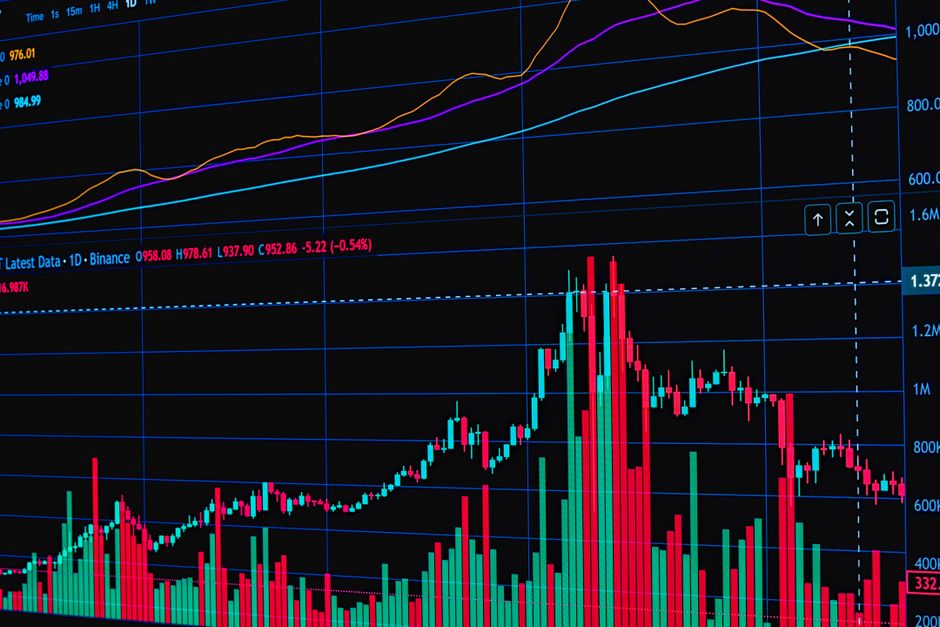
Bajaj Finance shares rose 3.4% as the non-banking financial company reported a 26.5% year-on-year increase in assets under management (AUM) for the quarter ending September 30. The growth reflects an expansion in the firm’s loan book and customer acquisition metrics, even as holiday demand cycles shifted.
According to an Investing.com report citing the company’s latest regulatory disclosures, Bajaj Finance’s AUM reached approximately 584,750 crore Indian rupees by the end of the second quarter. This is an increase from the 462,261 crore Indian rupees reported during the same period in the previous year.
Loan Book and Customer Acquisition
The company’s operational scale grew across key performance indicators during the quarter. Bajaj Finance booked 13.45 million new loans, an 11% increase compared to the 12.17 million loans booked in the year-ago period.
Customer growth remained steady, as the company added 4.42 million new customers during the quarter. This brought the total customer base to 128.85 million, a metric monitored by analysts to gauge the company’s reach in the Indian consumer credit market.
Seasonal Influences on Growth
While the year-on-year figures show expansion, the company noted that the timing of the annual festival season influenced quarterly performance. Bajaj Finance stated that the year-on-year growth comparison was affected by the fact that the festival season began earlier in the previous year, which typically drives higher consumer credit demand.
What This Means for Consumer Finance
For investors and market participants, the data highlights the firm's ability to maintain double-digit growth in its loan portfolio as the broader Indian lending environment faces normalization. The ability to scale the AUM while navigating shifting seasonal demand serves as an indicator of the company’s operational efficiency in the non-banking financial sector, where liquidity and credit quality remain primary concerns for institutional stakeholders.
Muhamed Porić
Founder and Editor of Embers.
Newsletter
Get Embers in your inbox
The stories that actually moved something, delivered when there's something worth sending, not daily filler.