Arabica Coffee Hits 10-Week Low on Brazil Weather and Exports
Arabica coffee futures dropped to a 10-week low of $2.8170 per pound on ICE, pressured by a 51.5% surge in Brazilian green coffee exports.
By Muhamed Porić
October 18, 2026 at 2:55 PM
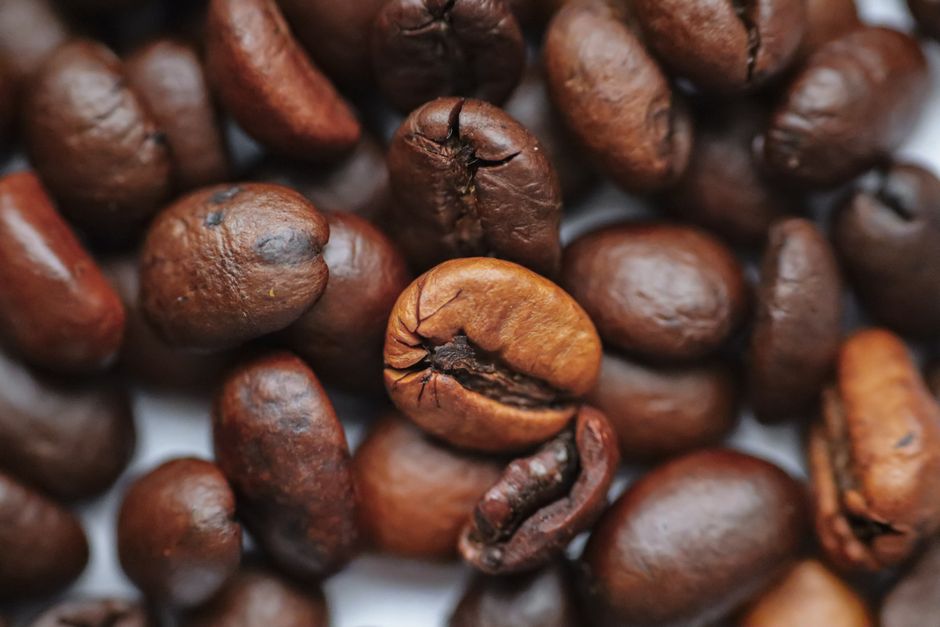
Arabica coffee futures fell to a 10-week low on the Intercontinental Exchange, pressured by favorable growing weather in Brazil and rising export volumes despite historically low exchange inventories.
"ICE stock levels remain low, but the market is being pressured by reports of strong exports out of Brazil and good growing weather for the 2027 crop," said broker ADMIS.
Commodity Pricing and Exchange Inventories
Arabica coffee declined 0.7% to $2.8170 per pound as of 1147 GMT, following a touch of $2.8120 on Monday according to an Investing.com report. This marks the lowest level seen for the commodity in 10 weeks.
At the same time, exchange arabica stocks stand at 217,646 bags, representing a 27-year low. The divergence between depleted exchange stockpiles and falling futures prices shows how immediate supply flows from major producers are outweighing longer-term structural inventory constraints.
Brazilian Export Surge and Weather Conditions
Brazil, the world's top coffee producer, exported green coffee at a daily average of approximately 13,500 metric tons during the first two weeks of September, marking a 51.5% increase compared to the previous period according to the Investing.com report.
Favorable weather conditions in Brazilian growing regions have bolstered expectations for the upcoming harvest cycles, easing supply anxieties that previously drove prices higher.
Broader Soft Commodity Market Pressures
The downward pressure extended across other soft commodities during the trading session. Robusta coffee fell 1.8% to $3,418 per metric ton, while raw sugar reached a two-week low according to the Investing.com report.
What Is at Stake for Global Markets
Agricultural commodity markets face ongoing volatility as traders balance multi-decade lows in certified exchange warehouses against surging near-term export volumes from South America. For commercial roasters and supply chain participants, the interplay between seasonal export spikes and long-term inventory depletion determines near-term procurement costs across global beverage markets.
Muhamed Porić
Founder and Editor of Embers.
Newsletter
Get Embers in your inbox
The stories that actually moved something, delivered when there's something worth sending, not daily filler.