AirBaltic Receives Court Approval for €140 Million in Chapter 11 Financing
The U.S. Bankruptcy Court approved airBaltic's access to an initial €140 million in DIP financing as the airline moves to downsize its fleet and restructure.
By Muhamed Porić
October 17, 2026 at 12:30 PM
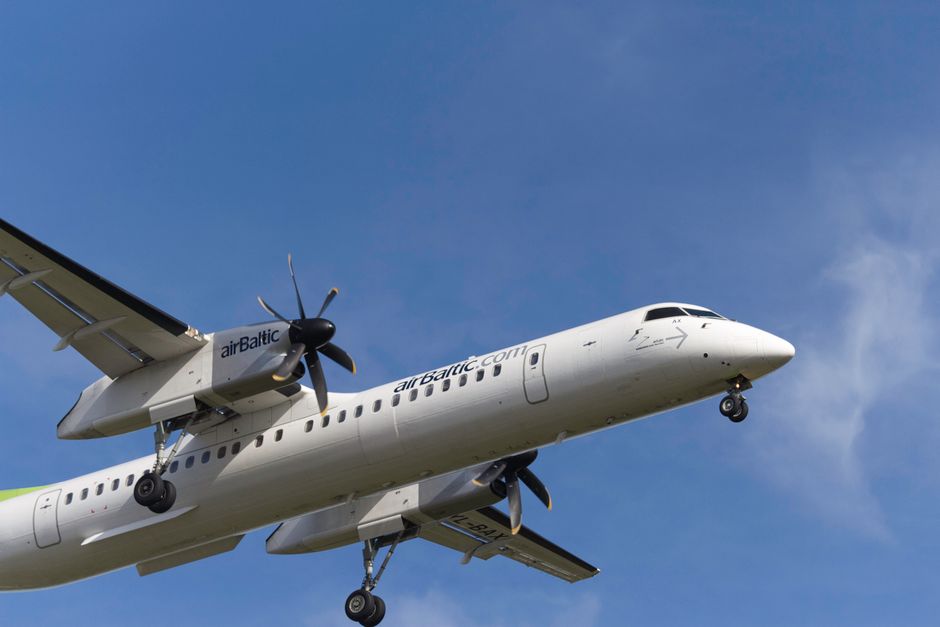
The U.S. Bankruptcy Court for the Southern District of New York has granted airBaltic approval to access an initial €140 million tranche of debtor-in-possession (DIP) financing. This liquidity allows the airline to maintain standard flight operations while it navigates a formal restructuring process to downsize its fleet and reduce debt obligations.
"The approval of our DIP financing provides additional financial stability as we work to build a stronger and more sustainable airBaltic. For our passengers, employees and partners, our focus remains unchanged: we continue flying and serving our customers as normal," said Erno Hildén, President and CEO of airBaltic, in a statement.
Financing Structure and Terms
The approved funds represent the first installment of a broader €350 million DIP financing facility. This capital is provided by a consortium of financial institutions, including Strategic Value Partners, Barclays, Hayfin Capital Management, Morgan Stanley, and Oaktree Capital Management. According to reports on the court proceedings, the remaining balance of the facility will be accessible in subsequent stages, contingent upon specific financing terms and additional judicial oversight where required.
Strategic Fleet and Contract Adjustments
As part of its Chapter 11 strategy, airBaltic is pursuing a reduction in its capital expenditure commitments. The airline is currently engaged in negotiations with Airbus to cancel or defer deliveries related to a $3.5 billion order for 40 aircraft. The company aims to streamline its operations by downsizing its total fleet to 36 aircraft by the end of 2026.
Understanding DIP Financing
Debtor-in-possession (DIP) financing is a specialized form of credit provided to companies undergoing Chapter 11 bankruptcy. Unlike standard commercial loans, DIP financing typically holds a super-priority status. Lenders are granted senior claims on the company's assets over existing creditors. This structure incentivizes lenders to provide liquidity to distressed firms because it ensures they are among the first to be repaid if the restructuring fails and the company is forced into liquidation.
For airBaltic, this financing serves as a bridge to stabilize operations while it seeks to renegotiate major supplier contracts and realign its cost structure with its long-term operational targets.
Muhamed Porić
Founder and Editor of Embers.
Newsletter
Get Embers in your inbox
The stories that actually moved something, delivered when there's something worth sending, not daily filler.