AfD Saxony-Anhalt Victory Raises Questions About State Fiscal Stability
The AfD's 44% victory in Saxony-Anhalt creates fiscal uncertainty, with potential spending gaps and infrastructure funding risks facing the German state.
By Muhamed Porić
October 4, 2026 at 12:10 AM
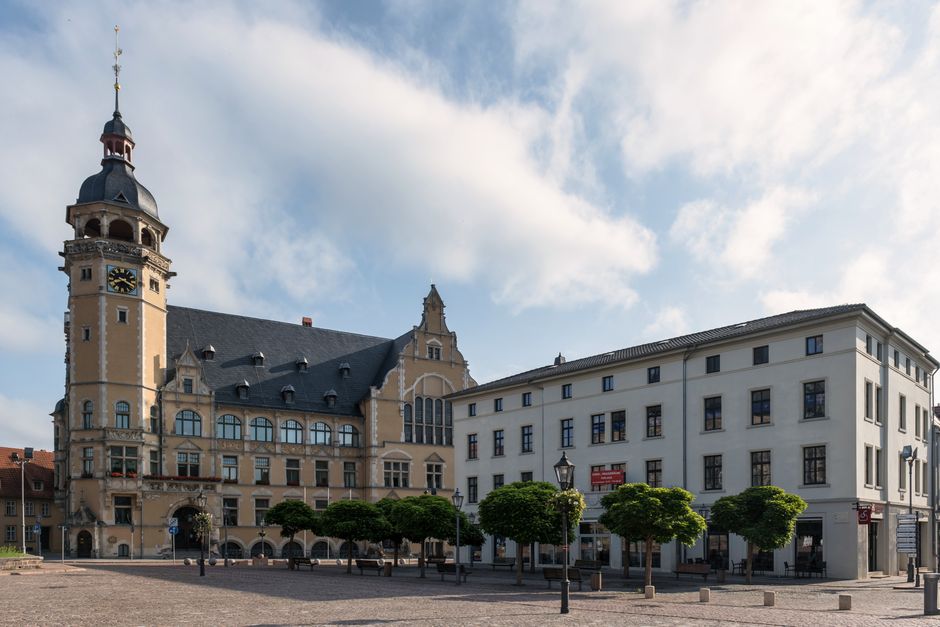
The Alternative for Germany (AfD) party’s 44% victory in the Saxony-Anhalt state election has introduced uncertainty regarding the region’s fiscal stability and future infrastructure investment. The party’s electoral success complicates coalition formation, and the potential implementation of its campaign platform could shift the state’s budgetary trajectory.
"Near-term market risks remain limited due to Germany's fiscal equalization system and intergovernmental support mechanisms," analysts at UBS noted in a recent assessment of the political developments.
Fiscal Gaps and Infrastructure Risks
The AfD’s proposed policy agenda includes expanded spending on social programs, specifically targeting increased funding for childcare and school meals. According to a report on the election results, these commitments could create an annual financing gap of approximately €2.2 billion. This figure represents nearly 3% of the state’s total GDP, raising questions about how the government would balance these expenditures against existing debt obligations.
Beyond immediate social spending, the party has signaled a rejection of participation in Germany’s €100 billion federal infrastructure fund. Opting out of this program could restrict Saxony-Anhalt’s access to investment resources, complicating the state's long-term development goals. Current projections indicate that the state’s annual funding requirements are expected to reach at least €3 billion starting in 2027.
Mitigating Credit Risk
Despite these local fiscal concerns, the broader German financial system provides insulation against regional political volatility. Germany’s fiscal equalization system, known as the Finanzausgleich, mandates that wealthier states transfer funds to those with lower tax revenues or higher structural needs. This mechanism, combined with federal intergovernmental support, acts as a stabilizer that protects the creditworthiness of individual German states when local political shifts threaten to disrupt regional budgets.
For investors and policymakers, the primary concern remains the duration of the coalition impasse. Because the AfD’s electoral gains make traditional governing majorities difficult to assemble, the state faces a period of administrative uncertainty. This delay could impact the prioritization of capital allocation for infrastructure projects, even if the federal support mechanisms ensure that the state retains its basic financial solvency.
Muhamed Porić
Founder and Editor of Embers.
Newsletter
Get Embers in your inbox
The stories that actually moved something, delivered when there's something worth sending, not daily filler.