Wall Street Counts on Fed Chair Warsh to Calm Volatile Bond Markets
Wall Street looks to Fed Chair Kevin Warsh to stabilize turbulent bond markets facing rising Treasury yields and heavy corporate debt supply.
By Muhamed Porić
September 4, 2026 at 5:00 AM
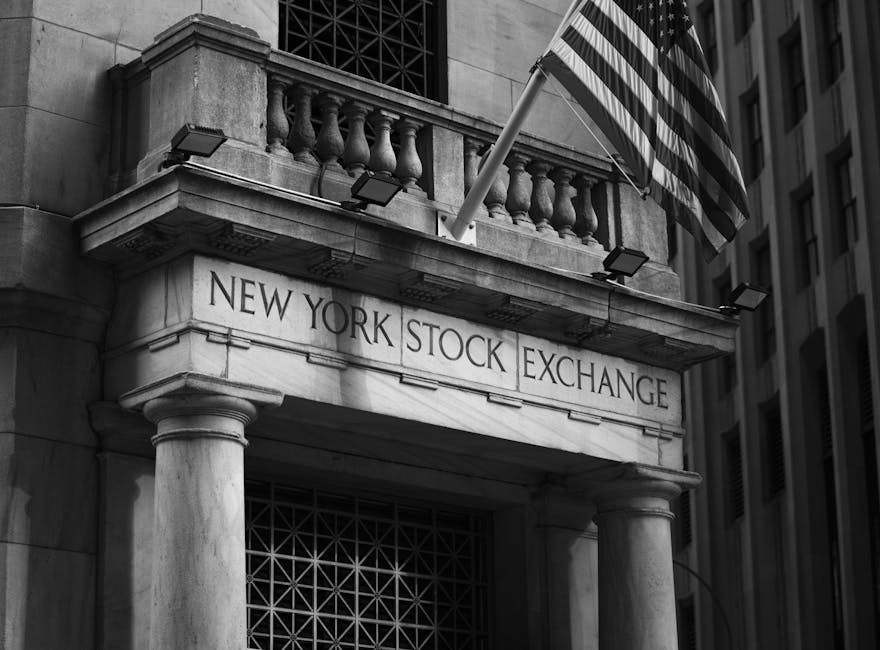
Federal Reserve Chairman Kevin Warsh faces mounting pressure to steady a turbulent fixed-income market as soaring U.S. Treasury yields and an impending wave of corporate debt issuance test investor confidence.
Following his appointment by President Trump and subsequent ascension to the central bank's helm on May 22, Warsh has moved quickly to navigate a complex monetary policy environment. Market participants are looking to the new leadership for a steady hand as debt markets contend with escalating borrowing costs.
Financial markets "need stability and trust" during this transition, according to market analyses tracking the upcoming influx of corporate debt.
Why the Bond Market Is Strained
The immediate test for the Federal Reserve centers on a volatile mix of macroeconomic pressures. U.S. Treasury yields have climbed to elevated levels, tightening financial conditions across the broader economy. At the same time, corporations are preparing to flood the primary market with a heavy wave of bond supply in the coming months, seeking to lock in financing before potential shifts in economic policy.
This convergence of heavy supply and high yields risks overwhelming market demand. When corporate bond issuance surges simultaneously with elevated government borrowing, liquidity can dry up, pushing yields higher and threatening corporate borrowers with steeper interest expenses.
Understanding the Role of the Fed Chair
For readers less familiar with fixed-income mechanics, the Federal Reserve chair does not directly set corporate bond yields or dictate the volume of private debt issued. However, the central bank heavily influences market sentiment and short-term benchmark rates. Through clear communication and deliberate policy signaling, a Federal Reserve chair can alleviate systemic anxiety, reduce term premiums, and prevent panic selling in government debt that directly spills over into corporate credit spreads.
As the corporate calendar fills with scheduled debt offerings, Wall Street strategists will monitor central bank commentary for any signal regarding how monetary policy will accommodate the coming debt supply.
Muhamed Porić
Founder and Editor of Embers.
Newsletter
Get Embers in your inbox
The stories that actually moved something, delivered when there's something worth sending, not daily filler.