Trump Administration Appeals Ruling on California Emissions Waivers
The Trump administration is appealing a ruling that blocked the EPA from using the Congressional Review Act to fast-track the repeal of California's emissions waivers.
By Muhamed Porić
October 14, 2026 at 2:00 AM
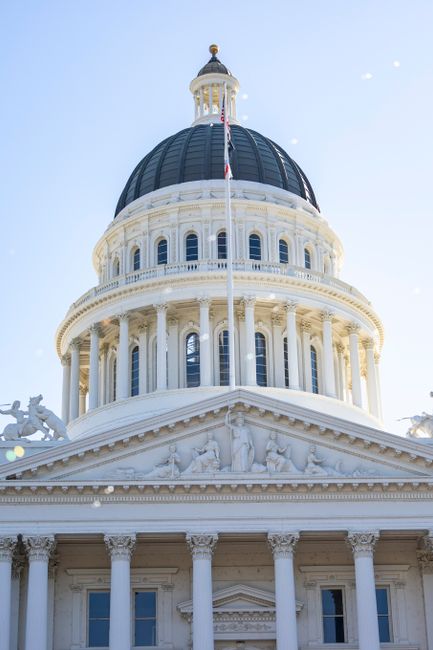
The Trump administration has filed an appeal against a federal court ruling that blocked the EPA from using the Congressional Review Act (CRA) to fast-track the repeal of California's vehicle emissions waivers. The legal challenge seeks to overturn a decision that prevents the agency from bypassing standard legislative thresholds to strip the state of its long-standing regulatory authority.
On September 2, U.S. District Judge Beryl Howell ruled that the EPA acted improperly by submitting four specific vehicle emissions waivers to Congress for review under the CRA. California successfully argued that these waivers do not constitute "regulations" under the scope of the act, challenging the EPA's attempt to circumvent traditional administrative procedures.
How the Congressional Review Act Functions
The Congressional Review Act is a legislative tool that allows Congress to overturn federal agency rules through an expedited process. Under the CRA, a regulation can be repealed by a simple majority vote in the Senate. This mechanism bypasses the 60-vote threshold typically required to overcome a filibuster in the upper chamber, acting as an instrument for reversing regulatory actions.
By attempting to classify California's emissions waivers as rules subject to the CRA, the administration sought to utilize this simplified legislative path to dismantle the state's ability to set its own tailpipe standards. The central legal question is whether these waivers, which grant California unique authority under the Clean Air Act, fall under the definition of "regulations" that the CRA was designed to govern.
Implications for State Regulatory Power
The outcome of this appeal carries weight for state-level environmental policy. If the administration's appeal succeeds, it could provide the legal framework to bar California from regulating tailpipe emissions. Such a precedent could prevent future administrations from reinstating these powers, shifting the balance of environmental oversight away from state agencies and toward federal control.
For California, the stakes involve the state's ability to enforce stricter emissions standards than those mandated at the federal level, a right it has held for decades. The litigation highlights the tension between federal executive authority and the autonomy of states to address regional air quality concerns through independent regulatory frameworks.
Muhamed Porić
Founder and Editor of Embers.
Newsletter
Get Embers in your inbox
The stories that actually moved something, delivered when there's something worth sending, not daily filler.