Lettuce Prices Fall Record 16.4% on Cyclospora Outbreak
Lettuce prices dropped a record 16.4% in July as a cyclospora outbreak caused consumers to shun leafy greens despite lower costs.
By Muhamed Porić
September 7, 2026 at 2:32 AM
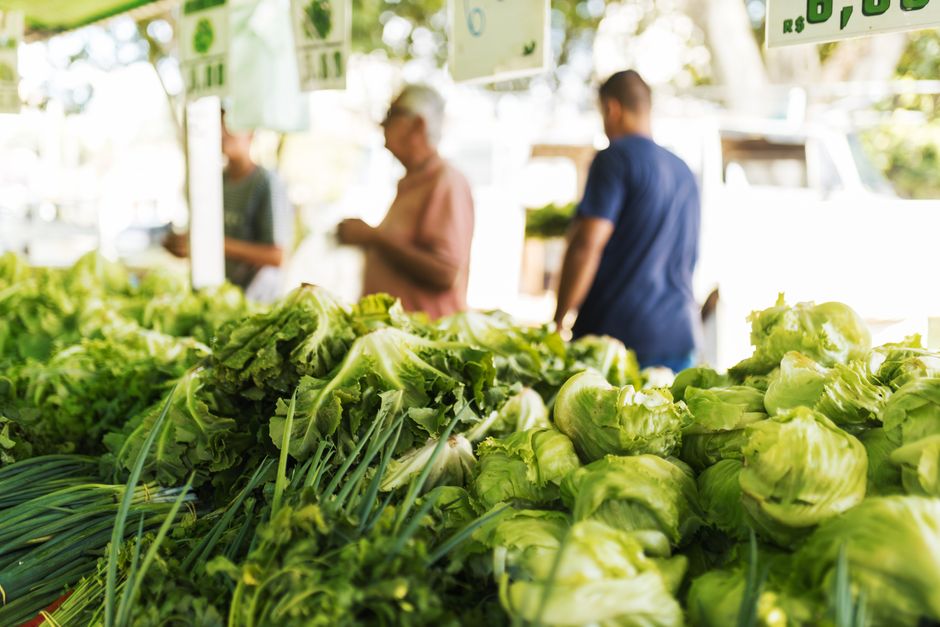
Lettuce prices posted their largest month-on-month decline on record in July, dropping 16.4% as a multistate cyclospora outbreak caused consumers to shun the leafy green despite lower costs.
Seasonally adjusted data from the Bureau of Labor Statistics show the sharp downturn arrived as public health warnings altered consumer habits across the United States. While falling prices typically stimulate demand in agricultural markets, shoppers bypassed the vegetable entirely as health concerns mounted.
"It's very likely due to the cyclospora outbreak and consumers just not wanting to buy lettuce right now," said Jeremy Horpedahl, an associate economics professor at the University of Central Arkansas.
What Drove the July Price Collapse?
The July reading marks a historic reversal for produce aisles, erasing months of steady cost pressures driven by supply-chain constraints and agricultural inflation. Instead of absorbing cheaper greens, retail shoppers pulled back spending significantly.
Market research from NielsenIQ shows dollar sales of prepackaged salads plunged 14% during the four weeks ended July 25 compared to the same period in the previous year.
"Consumers are not going to rush out and buy this now just because it's cheaper," Horpedahl said. "It's fallen because nobody wants it."
The Source of the Contamination
The root cause of the market disruption stems from federal health investigations into a waterborne parasite. The Food and Drug Administration identified iceberg lettuce processed at a Taylor Farms facility in central Mexico as the likely ground zero for the outbreak.
Following the discovery, Taylor Farms initiated a voluntary recall of products sourced from that specific location to contain the spread. Cyclospora is a microscopic parasite that causes intestinal illness, typically transmitted through food or water contaminated with feces.
Economic Impact on Agricultural Sectors
The collapse in retail demand highlights the delicate balance between public health safety and agricultural pricing mechanisms. When foodborne illness scares hit fresh produce, perishable goods cannot be stored long-term, forcing producers and grocers to slash prices to clear inventory.
Unlike non-perishable goods that can sit in warehouses until consumer confidence returns, leafy greens have a short shelf life. This structural limitation accelerates the financial toll on growers when demand vanishes overnight, leaving supply chains vulnerable to severe price deflation.
Muhamed Porić
Founder and Editor of Embers.
Newsletter
Get Embers in your inbox
The stories that actually moved something, delivered when there's something worth sending, not daily filler.