Japan, U.S. Advance $550B Pact With AI, Chips
Japan and the U.S. are advancing their $550 billion investment pact, with AI and semiconductor projects anchoring upcoming tranches.
By Muhamed Porić
September 5, 2026 at 11:14 AM
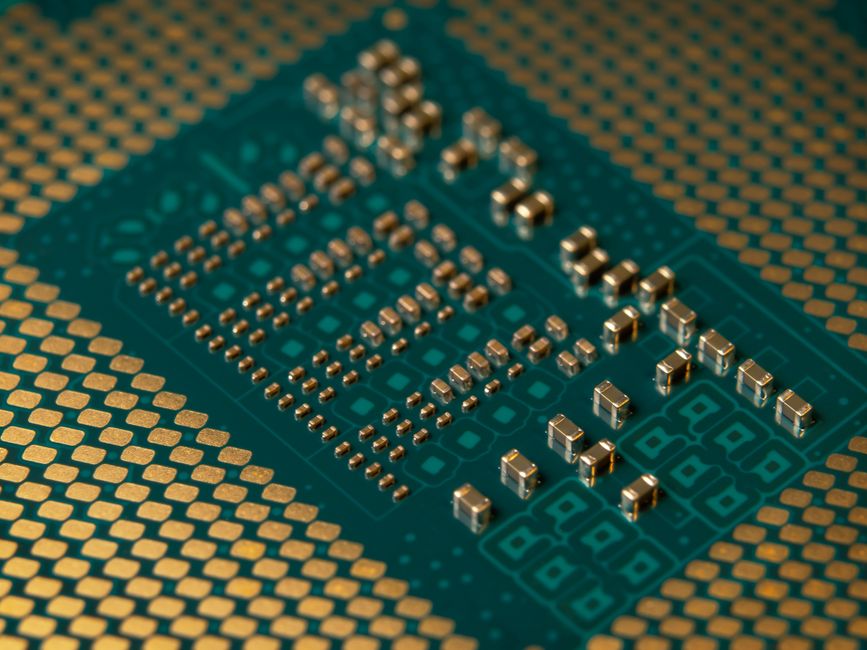
Japan and the United States are advancing their $550 billion bilateral investment initiative, with trade officials confirming that artificial intelligence and semiconductor projects will anchor upcoming project tranches following high-level meetings in Washington.
"Discussions on artificial intelligence and chips will carry very significant weight," said Ryosei Akazawa, Japan's trade minister, speaking to reporters in Washington after meeting with U.s. Commerce Secretary Howard Lutnick and U.S. Trade Representative Jamieson Greer.
Prior Tranches and Regional Allocations
The overarching $550 billion investment vehicle was established under last year's bilateral trade agreement, which set a 15% tariff on Japanese products while lowering automobile duties. The first batch of projects under the framework directed $36 billion toward U.S. oil, gas, and mineral developments, notably including a natural gas facility in Ohio.
A subsequent second group of projects targeted $73 billion for nuclear and natural gas power generation across Tennessee, Alabama, Pennsylvania, and Texas. Trade Minister Akazawa declined to provide detailed disclosures regarding the precise timing or project selection for the third tranche, but officials confirmed that technology sectors will dominate the next phase.
What Is at Stake for Tariffs and Bilateral Trade
The ongoing advancement of the strategic investment fund carries significant implications for supply chain security and bilateral trade stability between Washington and Tokyo. During the latest round of talks in Washington, both sides confirmed that no additional tariffs will be imposed on Japanese imports beyond the terms established in last year's initial framework.
The inclusion of AI and semiconductor infrastructure in the upcoming tranches reflects a broader shift toward securing critical technology supply chains. By channeling capital into advanced manufacturing and domestic chip production, the two nations aim to mitigate vulnerabilities in high-tech sectors while maintaining the broader trade arrangement negotiated under President Donald Trump.
Muhamed Porić
Founder and Editor of Embers.
Newsletter
Get Embers in your inbox
The stories that actually moved something, delivered when there's something worth sending, not daily filler.