Citi Warns European TTF Gas Prices Overstate Winter Supply Risks
Citigroup warns European TTF natural gas prices overstate winter supply risks, contrasting with Goldman Sachs' bullish LNG outlook.
By Muhamed Porić
September 5, 2026 at 9:26 PM
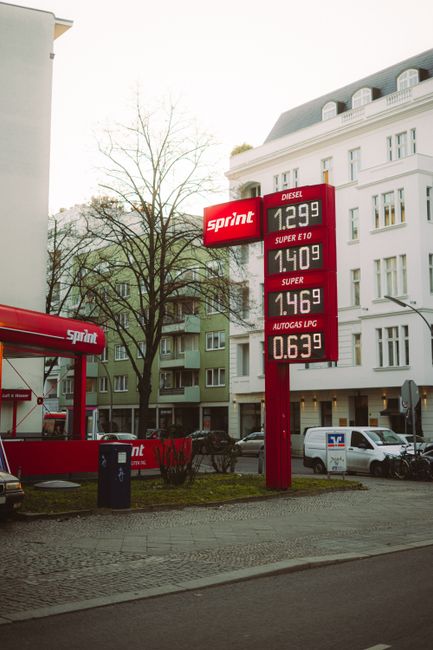
European natural gas prices are pricing in an excessive geopolitical and weather risk premium, with bank modeling indicating fair winter value around €61/MWh compared to market strips trading above €70/MWh.
Citigroup estimated a probability-weighted European natural gas price for the upcoming winter of approximately €61 per megawatt-hour, noticeably below the October 2026 TTF contract at €72.90/MWh and the November–March winter strip at €70.90/MWh. The discrepancy highlights a growing debate among institutional forecasters over whether current valuations accurately reflect supply fundamentals or overstate potential disruptions in the Strait of Hormuz.
Citi revised its baseline TTF gas-price forecasts to €60/MWh for the third quarter of 2026, €56/MWh for the fourth quarter of 2026, and €41/MWh for full-year 2027. These projections suggest downside for European Title Transfer Facility contracts if winter weather remains moderate and Middle East shipping lanes avoid prolonged blockages.
Trader Positioning and Historical Comparisons
Unlike previous energy market spikes driven by speculative frenzies, current trader positioning is less stretched than during March 2026 or 2024. This indicates the ongoing rally is being supported by fundamental buyers and investment funds rather than speculative short covering alone.
To illustrate how quickly energy markets can reprice, Citi cited the late-2018 oil market selloff as a historical comparison demonstrating how rapidly premiums evaporate when perceived supply threats dissipate without materializing.
Conflicting Outlooks From Wall Street
Not all major banks share Citi's bearish assessment of European gas valuations heading into the colder months. In contrast to Citi's downside view, Goldman Sachs analysts argue European gas prices may need to climb higher to draw flexible liquefied natural gas cargoes away from competing basins to offset sluggish European storage inventories if Middle East flows remain disrupted.
What is at stake for industrial consumers and utilities is the cost of securing winter fuel supplies amid fragile infrastructure. While Goldman's thesis emphasizes the necessity of premium pricing to attract global LNG away from Asian buyers, Citi's modeling suggests the market has over-insured against tail risks that have yet to materialize in physical delivery data.
Muhamed Porić
Founder and Editor of Embers.
Newsletter
Get Embers in your inbox
The stories that actually moved something, delivered when there's something worth sending, not daily filler.