China Luxury Spending Recovery Stalls as New Tax Scrutiny Hits HNWIs
China's luxury spending recovery stalls as Bernstein cuts forecasts and new offshore wealth tax scrutiny hits high-net-worth consumers.
By Muhamed Porić
September 5, 2026 at 1:32 PM
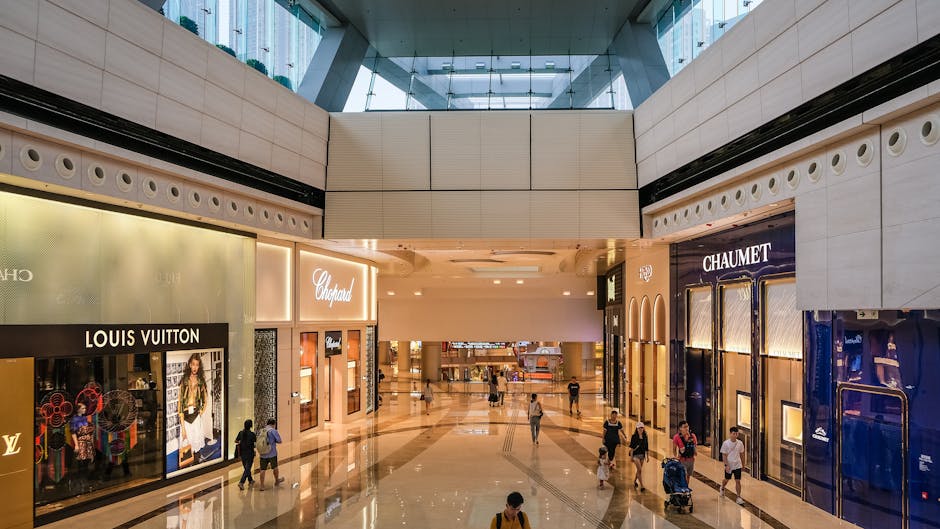
China's luxury spending recovery is stalling for the fourth time since the pandemic as new tax scrutiny on offshore wealth compounds persistent property market declines and deflationary headwinds.
Sales across sample luxury shopping malls in mainland China fell 12% in July 2026 across various price points and product categories, according to data collected by research firms Bernstein and Mertico.
"We have seen three false dawns already: in end-2023, end-2024, and end-2025," Bernstein analysts led by Luca Solca stated in a recent market note.
Following the muted consumption trends, Bernstein analysts lowered their third-quarter luxury industry organic growth forecast by 110 basis points to 4.9%, down from 6.3% in the second quarter. The firm also trimmed its full-year 2026 outlook by 40 basis points to 5.1%.
Market Reaction and LVMH Share Price
The deceleration in Chinese retail data triggered immediate downward pressure in European equity markets. Shares of LVMH dropped 2.4% following Bernstein's warning, touching a five-year low as investors reassessed the earnings power of premier houses in their largest single growth market.
While middle-class discretionary spending has remained subdued amid broader economic pressures, high-end consumers previously provided a reliable buffer for high-end conglomerates. That cushion is now showing strain under combined macroeconomic and regulatory shifts.
How Offshore Wealth Taxation Impacts High-End Consumers
China's updated tax framework strengthens regulatory enforcement on Chinese offshore wealth, heightening scrutiny of complex offshore structures, trusts, and global stock market gains held by high-net-worth individuals.
"This is particularly painful for luxury brands in China, where high-end spending has been a bright spot amidst weak Chinese consumer sentiment and a pullback in middle-class spending," Bernstein noted in its assessment of the retail data.
Historically, affluent Chinese buyers frequently utilized offshore entities and international investment vehicles to manage liquidity. The tightening of enforcement on these overseas assets has directly restricted the discretionary capital available for domestic flagship purchases.
Divergent Brand Performance and Pricing Strategies
Retailers are responding to the shifting demand environment with divergent tactical approaches. Kering's Gucci has implemented steep price cuts ranging from 20% to 30% to stimulate foot traffic and clear inventory.
Meanwhile, Bernstein highlighted Richemont as its 'Best Idea' within the luxury sector, pointing to the relative resilience of the Swiss conglomerate's mainland China jewelry business compared to peers reliant on apparel and leather goods.
Muhamed Porić
Founder and Editor of Embers.
Newsletter
Get Embers in your inbox
The stories that actually moved something, delivered when there's something worth sending, not daily filler.