China Industrial Output Rises 5.2% as Consumer Spending Stagnates
China's industrial output grew 5.2% in August, driven by a high-tech manufacturing surge, while retail sales growth slowed to 0.4% amid a persistent property crisis.
By Muhamed Porić
October 10, 2026 at 2:21 AM
China's industrial output accelerated to 5.2% year-on-year growth in August. This figure exceeded the 4.8% growth expected by analysts, as a surge in high-tech manufacturing countered weakness in domestic retail demand.
This divergence highlights a structural imbalance in the Chinese economy. State-backed investment in advanced technology sectors continues to drive production, while a deepening property crisis and cautious consumer sentiment restrain the broader recovery.
"The external environment is complex and challenging, while domestic structural adjustment pressures persist, meaning sustained efforts are still needed to put the economy on a firmer growth trajectory," said Fu Linghui, a spokesperson at the National Bureau of Statistics.
Manufacturing vs. Consumer Demand
The growth in industrial activity is concentrated in high-tech sectors. According to data from the National Bureau of Statistics, production of lithium-ion batteries jumped 57.2% in August compared to the same period last year. Industrial robot production increased by 34.6%.
Consumer demand remains tepid. Retail sales growth slowed to 0.4% in August, down from 0.6% in July and below the 0.8% growth forecast by market analysts. This sluggishness reflects household caution amid economic uncertainty.
The Drag of the Property Crisis
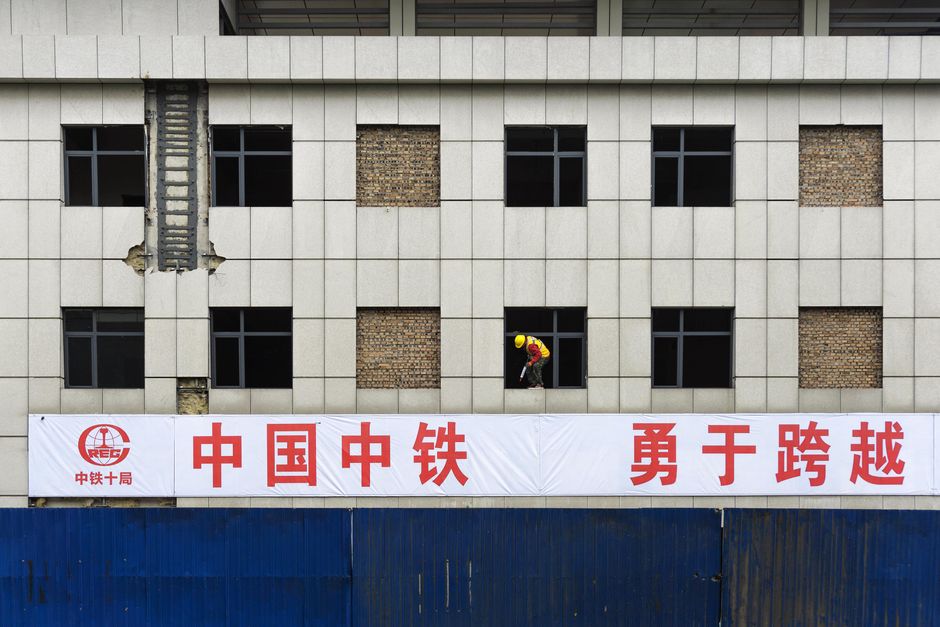
The manufacturing boom is occurring against a backdrop of decline in the property sector, which has historically been a primary engine of Chinese economic growth. Fixed-asset investment fell 7.2% during the first eight months of 2026. Within that category, property investment saw a decline of 19.9% over the same period.
Implications for Economic Policy
The gap between high-tech output and domestic consumption poses a challenge for policymakers. The government's push toward advanced manufacturing aims to secure long-term industrial competitiveness. However, the continued contraction in property investment and weak retail spending suggest that the domestic economy is not yet generating enough internal momentum to compensate for the downturn in real estate.
Muhamed Porić
Founder and Editor of Embers.
Newsletter
Get Embers in your inbox
The stories that actually moved something, delivered when there's something worth sending, not daily filler.