China Balances U.S. Dollar Reliance With CIPS Sanctions Hedge
China balances U.S. dollar reliance with its CIPS payment system as Washington threatens Chinese banks over Iranian oil transactions.
By Muhamed Porić
September 7, 2026 at 2:20 AM
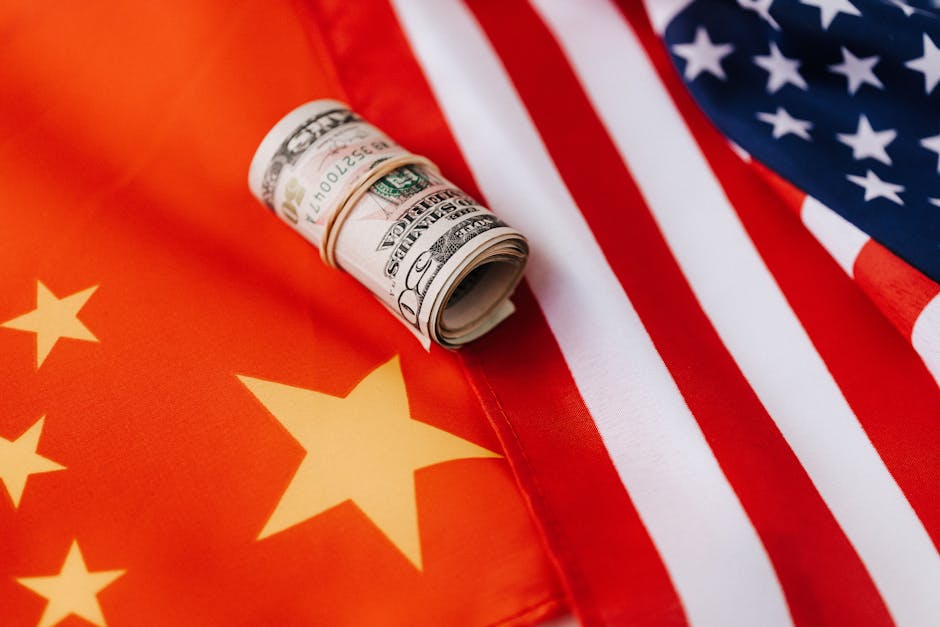
Beijing is walking a fine line between protecting its access to the U.S. dollar-dominated global trade system and expanding financial alternatives as Washington ramps up pressure over trade with Iran.
"If they facilitate transactions and are part of the ecosystem that turns Iranian oil into money, into repression, they will be targeted," said Scott Bessent, U.S. Treasury Secretary, regarding Chinese banks under a newly announced sanctions plan.
The warning from Washington highlights deep structural friction over secondary sanctions targeting Iranian oil revenue. While Beijing relies heavily on the U.S. financial architecture to drive its export economy, authorities in China are simultaneously building mechanisms to insulate domestic institutions from American enforcement actions.
What is CIPS and how does it work?
To counter potential freeze-outs, China has developed the Cross-Border Interbank Payment System, known as CIPS, as an alternative clearing network for yuan-denominated transactions. The platform currently lists 210 direct participating institutions globally.
Market observers emphasize that CIPS functions primarily as a geopolitical hedging instrument rather than an immediate replacement for Western financial systems. The system provides a secondary channel for trade partners, but it operates on a much smaller scale than established global networks.
How dominant is the U.S. dollar?
Despite Beijing's efforts to internationalize its currency, global finance remains anchored to Western institutions. According to Swift data from July, the U.S. dollar accounted for more than half of global payments and nearly 80% of trade finance.
By comparison, China's yuan ranked fifth for global payments at 3.1% and second for trade finance at 8.4%. This stark disparity underpins why Chinese policymakers cannot afford a complete break from Western markets without severe economic disruption.
Why does Beijing risk U.S. penalties?
Economic analysts point out that China's reliance on imported energy creates a persistent clash between national security goals and commercial necessity. Beijing views continued trade with sanctioned nations like Iran as vital for energy security, even if it invites direct regulatory retaliation from the West.
"China definitely wants to stay in the dollar system which benefits its trade engine, but that doesn't mean it will do everything [to] comply with expanding U.S. sanctions," said Tianchen Xu, senior economist at The Economist Intelligence Unit.
As the U.S. Treasury pursues tougher enforcement against illicit financial networks, Chinese lenders face mounting compliance costs. How Beijing manages this friction will test the limits of financial decoupling and the viability of alternative payment rails.
Muhamed Porić
Founder and Editor of Embers.
Newsletter
Get Embers in your inbox
The stories that actually moved something, delivered when there's something worth sending, not daily filler.