Arabica Coffee Prices Hit Record Highs After Colombia Tariff Spat
Arabica coffee prices hit all-time highs following a temporary U.S. tariff threat against Colombia, highlighting supply chain vulnerabilities.
By Muhamed Porić
September 7, 2026 at 7:32 PM
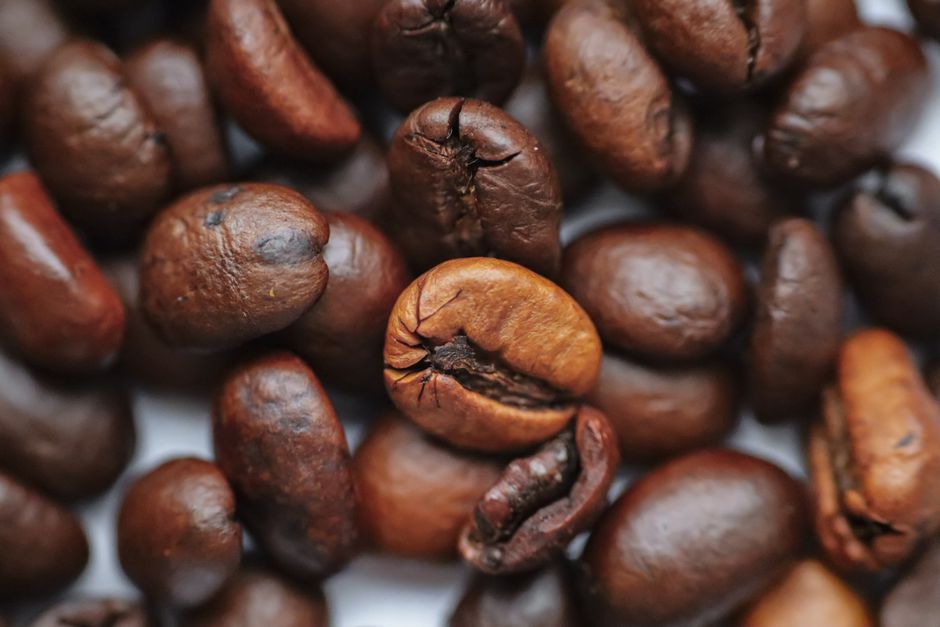
Arabica coffee prices reached an all-time high as commodity markets reacted to supply disruption fears driven by a temporary U.S. tariff threat against Colombia, even though the administration ultimately reversed course.
The volatile trading session highlights the immediate vulnerability of global soft commodity supply chains to geopolitical friction, particularly when policies target major agricultural exporters.
The Deportation Dispute and Tariff Threat
The market turbulence stemmed from a diplomatic standoff between Washington and Bogotá. President Donald Trump threatened to impose a 25% tariff and economic sanctions on Colombia amid a dispute over deportation flights from the United States.
Colombia ranks as one of the world's largest producers of high-quality Arabica coffee beans. Any disruption to trade flows from the Andean nation threatens to pinch inventories in consuming markets like the United States, where roasters depend on steady import volumes to maintain commercial supply chains.
Why Prices Continued Climbing
Although President Trump subsequently reversed course and withdrew the tariff threats, Arabica futures maintained their upward trajectory. Commodity traders noted that the swift escalation exposed existing fragilities in the global coffee market, which was already grappling with adverse weather conditions in other key growing regions.
When trade barriers are floated, even temporarily, commercial buyers often accelerate purchasing to secure inventory before potential border taxes take effect. This sudden surge in demand can lock in higher spot prices that persist well after a policy threat is retracted.
What's at Stake for Consumers
The record price levels ripple directly through the commercial supply chain, putting pressure on major coffee roasters, independent cafes, and supermarket supply buyers. Higher green coffee costs typically translate into elevated retail prices for roasted and ground coffee products over subsequent months.
Market participants continue to monitor trade relations between the U.S. and major Latin American agricultural producers, as structural supply deficits leave little cushion for unexpected geopolitical disruptions.
Muhamed Porić
Founder and Editor of Embers.
Newsletter
Get Embers in your inbox
The stories that actually moved something, delivered when there's something worth sending, not daily filler.